Tragic End: Brandon Clark's Death and Autopsy Report (2026)
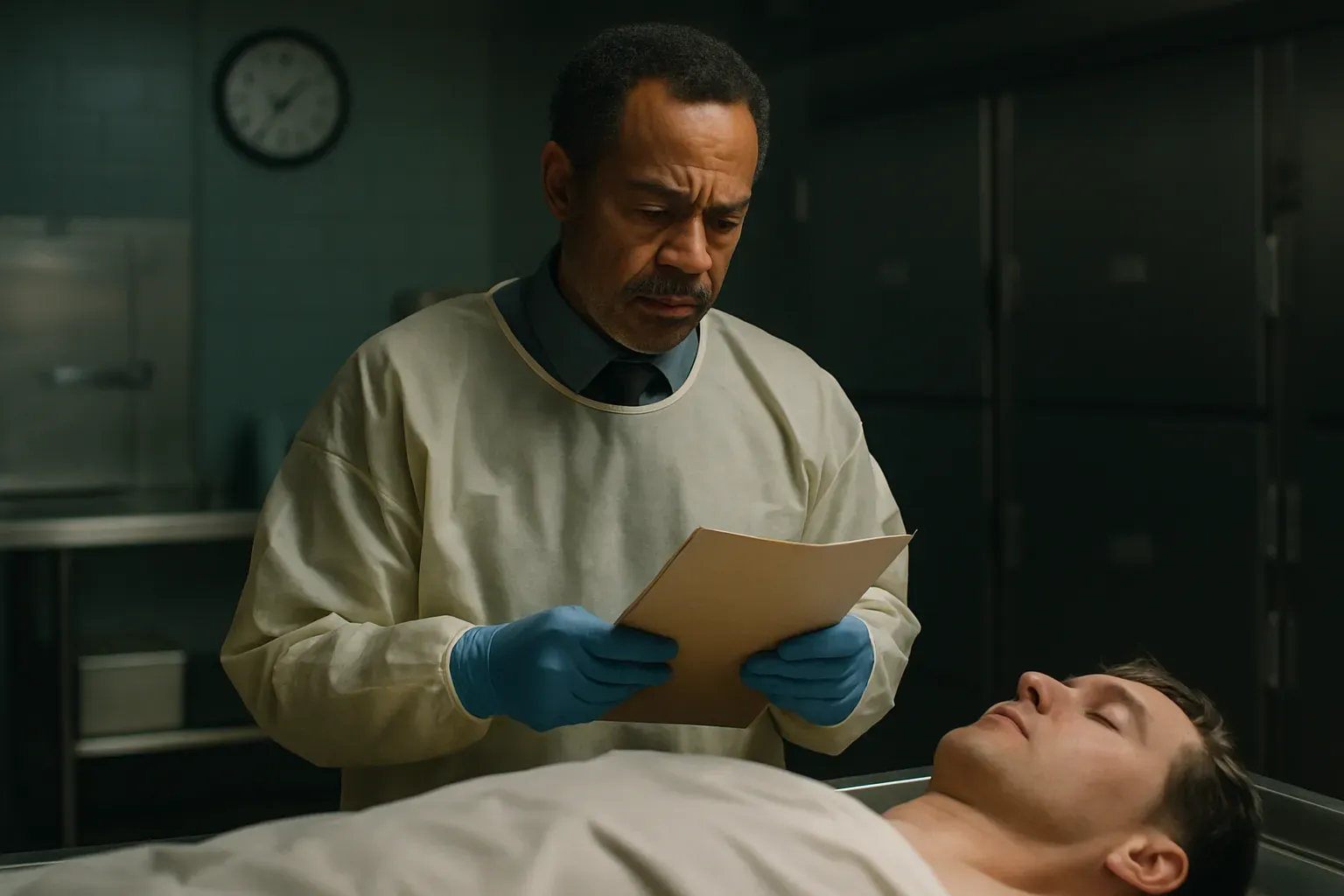
Brandon Clark, once a player for the Memphis Grizzlies, died at 29 in May. His death was due to a heroin and cocaine overdose, worsened by several prescription drugs. This occurred six weeks after his arrest in Arkansas over felony drug trafficking charges.
Brandon Clark’s death hit the basketball world like a bolt of lightning. Just 29, the ex-Memphis Grizzlies player left a void in May, shocking fans and teammates alike. But his death was tangled in a web of unfortunate events. Just six weeks prior, he was nabbed in Arkansas for drug trafficking, a serious charge that foreshadowed his demise. The autopsy report sheds light on the grim reality Clark faced in his final moments.
Key Highlights:
- Brandon Clark’s sudden death at 29 rocked the basketball scene.
- Heroin and cocaine overdose, along with prescription pills, confirmed by autopsy.
- His arrest in Arkansas on drug trafficking charges occurred six weeks before his death.
What Led to Brandon Clark’s Arrest and Death?
Brandon Clark’s life spiraled just weeks before his end. The former NBA star was arrested in Arkansas for felony trafficking. Caught with drugs in his possession, the charges were severe and underscored a hidden battle with addiction.
Clark’s arrest wasn’t merely a legal snag. It marked a grave personal collapse. The athlete who once shined on the court was now engulfed by chaos, reflecting a deep struggle with substance abuse. His downward spiral, from his arrest to his tragic passing, is a tale of loss and desperation. Statistics show that the pressures of professional sports can lead athletes to substance abuse, with a study by the National Institute on Drug Abuse revealing approximately 52% of athletes have used drugs recreationally at some point in their careers.
The Autopsy Findings and Their Implications
The autopsy laid bare the harsh truth: an overdose of heroin and cocaine. This deadly cocktail, mixed with prescription drugs, sealed his fate. The levels found in his system indicated prolonged use rather than a one-time event, highlighting a chronic issue that had gone unnoticed by those around him.
It’s a sharp reminder of the drug abuse problem lurking in sports. Clark’s story reveals the shadows in professional athletics, where pressure can drive athletes to destructive choices. More than just cause of death, the report is a stark reminder of the battles fought away from the spotlight. The World Anti-Doping Agency (WADA) has long campaigned against substance abuse in sports, yet cases like Clark’s illustrate how systemic the problem remains.
Why Was Brandon Clark’s Case So Shocking?
Brandon Clark’s death stunned everyone, for many reasons. His young age and unfulfilled promise made his passing extra painful. His arrest for drug trafficking shocked the public further. His situation was not unique, however, as other athletes have similarly faced public downfalls, such as Lamar Odom, who also struggled publicly with addiction issues.
Fans and peers, blindsided by his struggles, saw his fall from NBA star to legal trouble as sudden and drastic. It’s a warning about the heavy burdens athletes carry and the relentless push to appear flawless. A survey conducted by the Professional Athletes Foundation found that 24% of retired athletes suffered from mental health issues related to their career pressures.
The Impact on the Memphis Grizzlies and NBA
Clark’s death deeply affected both the Memphis Grizzlies and the larger NBA community. It was a harsh lesson on the hidden vulnerabilities of even the most successful athletes. The Grizzlies, in particular, organized mental health workshops following his death, aiming to offer better support to their players.
The league now feels an urgent push to bolster player support. Clark’s tragic exit underscores the dire need for robust mental health and substance abuse programs. While personal, his death resonates with the broader issue of hidden athlete struggles in the high-pressure world of pro basketball. The NBA has since partnered with the National Alliance on Mental Illness to launch initiatives aimed at improving mental health awareness and support across the league.
The Broader Conversation About Athlete Mental Health
Brandon Clark’s passing reignited an urgent conversation about mental health in sports. Athlete well-being, mentally and emotionally, is crucial. This case has drawn comparisons to other high-profile athlete tragedies, such as the suicide of NFL player Junior Seau, which also sparked changes in how mental health is addressed in sports.
Sports organizations are waking up to the need for mental health resources. Clark’s story shines a light on the pressing need for proactive aid to support athletes. His tragedy is a wake-up call for both the industry and public to prioritize mental health care for those in the spotlight. Studies by the American Psychological Association highlight that athletes are twice as likely to suffer from depression than the general population, pointing to an urgent need for change.
What to Expect Moving Forward?
Clark’s death is a grim reminder of the battles athletes fight behind the scenes. His story is already sparking much-needed talks about reforms in sports welfare programs. The NBA Players Association has announced plans to introduce a new program providing confidential support for mental health and addiction issues, a direct response to the lessons learned from Clark’s untimely death.
What are your thoughts?