The Impact of War in Ukraine: A 2026 Perspective on Putin's Failure
The war in Ukraine has dramatically reshaped global geopolitics. By 2026, Russia holds onto less than a fifth of Ukraine’s land, a stark defeat for Putin. The initial rush to seize Kyiv floundered, and Ukraine’s military now stops most Russian drones dead in their tracks.
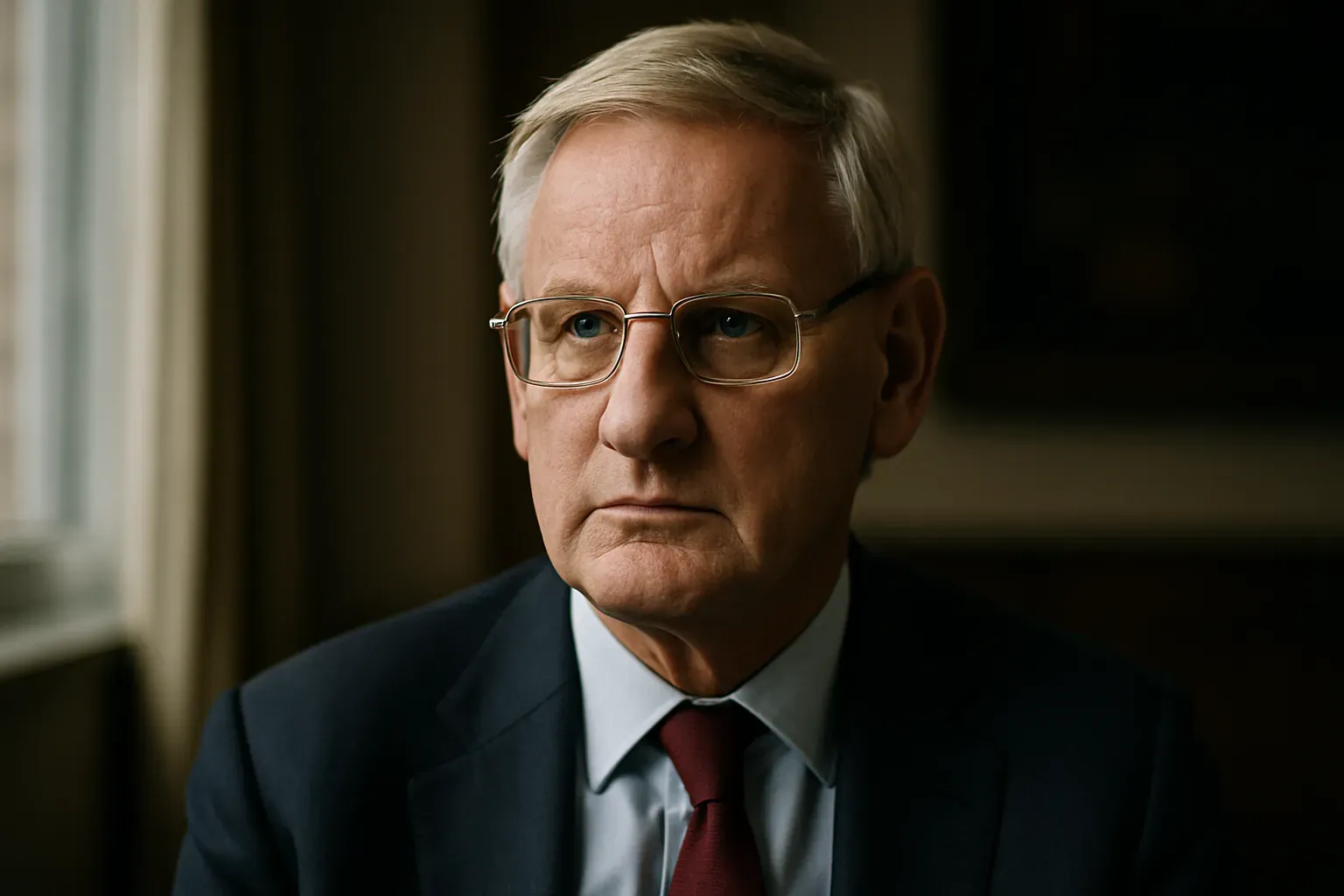
Carl Bildt from the ECFR doesn’t mince words: Ukraine is Russia’s ‘spectacular failure.’ Five years in, and what does Putin have to show for it? Less than 20% of Ukrainian soil. Kyiv was a dream. The Ukrainian forces, efficient and deadly, bat away 90% of Russian drones with their Patriot systems. Meanwhile, Russia looks pitiful as it turns to North Korea for military aid. A sign of desperation.
Key Highlights:
- After five years, Russia controls less than 20% of Ukraine (ECFR).
- Patriot systems help Ukraine take down 90% of Russian drones.
- Moscow’s plea to North Korea shows its military woes.
How Did the Ukraine Conflict Evolve Since 2014?
Back in 2014, Russia grabbed Crimea, lighting the fuse for this long-fractured conflict. Skirmishes grew to outright war, reshaping Europe’s security landscape. The annexation of Crimea was a bold move by Russia, one that violated international law and drew widespread condemnation. This action set the stage for the tensions that would follow, leading to the full-scale invasion of Ukraine in 2022.
What started small expanded into a tangled web of international interests. Russia’s ambition soured as Ukraine, buoyed by the West, held strong. The conflict drew in NATO, the European Union, and other global powers, making it a focal point of international diplomacy. By 2026, the war drags on, sprinkling uncertainty across the globe with no end in sight. The conflict has also spurred a reevaluation of defense strategies and military alliances worldwide.
Why is Russia’s Strategy Considered a Failure?
Russia’s grand strategy? A dud. They wanted Kyiv and chaos in Ukraine. Instead, they face a fortified defense, thanks to Ukraine’s allies rallying in support. The failure to capture Kyiv, the heart of Ukraine, was a significant blow to Russia’s plans. The staunch Ukrainian resistance, coupled with strategic military aid from Western allies, including advanced weaponry and intelligence support, has turned the tide against Russian forces.
North Korea filling in their supply gaps? That’s a telltale of Russia’s faltering playbook. Their dependence on such support reveals a streak of misjudgments, eroding their power on the world stage. Russia’s inability to sustain its military operations independently highlights its strategic miscalculations and the extent to which it underestimated the resilience and unity of the Ukrainian defense forces.
The Role of Drones in Modern Warfare
Drones are the new game-changers in war, changing how battles are fought. In Ukraine, drones aren’t just fancy tech; they’re vital eyes and ears, pinpointing targets and delivering precise punches. The use of drones has highlighted the importance of technological superiority in modern warfare, where information is as crucial as firepower.
In this bitter contest, Ukraine’s adept use of drones swings the field. Knocking out 90% of Russian aerial threats is no small feat, even with fewer troops and gear. Ukraine’s ability to deploy and counter drones effectively has been a critical factor in its defensive strategy, limiting Russian air superiority and disrupting their military operations.
How Could Long-Range Missiles Change the Conflict?
Long-range missiles could tip the scales dramatically in Ukraine’s favor. Such firepower can reach deep into Russian land, making Moscow reconsider its moves. The deployment of long-range missile systems, like the HIMARS and ATACMS provided by the West, has already allowed Ukraine to target logistical hubs, command centers, and critical infrastructure far behind enemy lines.
Sure, these missiles might heighten tensions, risking a broader war. But they also offer Ukraine a strong card at the negotiation table, reinforcing their leverage in talks. The strategic advantage provided by these missiles can deter further Russian aggression and compel them to engage in meaningful negotiations, potentially paving the way for a resolution to the conflict.
Will International Sanctions on Russia be Effective?
Sanctions have been clamped onto Russia like a vise, squeezing its economy and military operations. They’ve forced Russia to look for friends in unlikely places, like North Korea. The sanctions, targeting key sectors such as finance, energy, and defense, have significantly hampered Russia’s economic growth and military capabilities.
Though sanctions have clipped some of Russia’s efforts, their role in ending the conflict is still cloudy. Long-term, they might shift Russia’s standing, nudging changes in policies at home and abroad. The socio-economic pressures created by sanctions could lead to internal dissent and pressure the Kremlin to alter its course, potentially leading to political reforms or changes in leadership.
Is It Worth It?
The dragging conflict in Ukraine makes one ponder its value. For Ukraine, it’s about standing strong, safeguarding its lands. The resolve of the Ukrainian people and their commitment to sovereignty and independence have been unwavering, inspiring solidarity and support from around the world. For Russia, it’s a saga of blunders, denting its global stature. The conflict has exposed the limitations of Russian military power and the costs of aggressive expansionist policies.
Finding peace is tangled in complexity, and the costs are high for everyone involved. The humanitarian toll, with thousands of lives lost and millions displaced, underscores the urgent need for a diplomatic resolution. Despite the challenges, the hope for peace remains, driven by a shared desire to end the suffering and rebuild a stable and prosperous future for both Ukraine and the region.
Will peace be achieved in the near future?