Ship Collision at Souda Harbor: Details and Aftershock (2026)
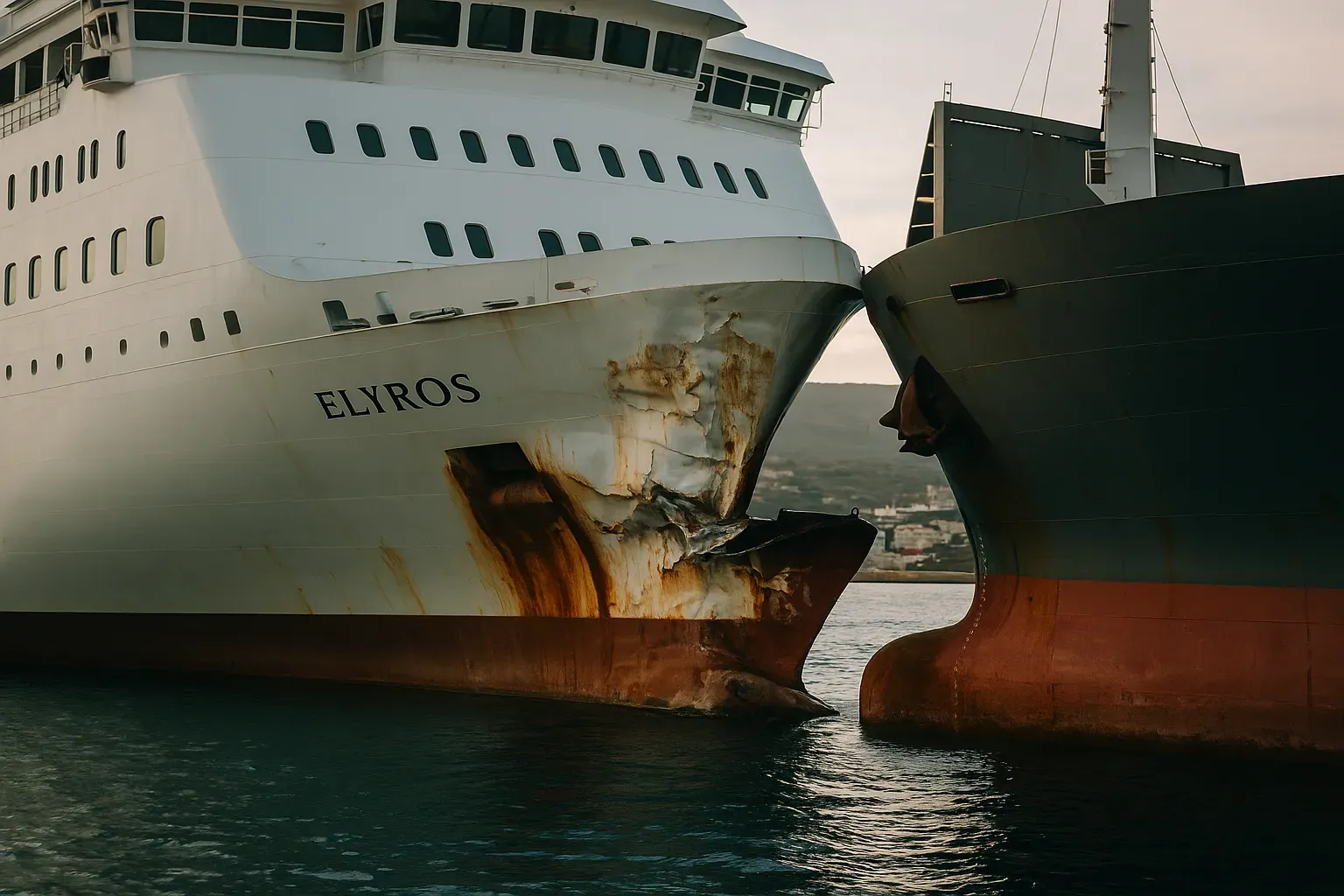
On July 21, 2026, two ships collided at Souda Harbor. Remarkably, neither injuries nor environmental damage followed. The passenger ferry Elyros and the cargo ship Ro Ro Cargo Iosif K. were the vessels involved. Port officials barred both from leaving until inspections wrapped up. Investigations into why the crash happened are underway.
Here’s what went down: a ship crash in Souda Harbor, Crete, on July 21, 2026. The passenger ferry Elyros and cargo ship Ro Ro Cargo Iosif K. collided but, thankfully, no one was hurt, and no pollution ensued. This paints a stark picture of the importance of maritime safety and the need for solid preventive steps. With such incidents being rare, the collision has sparked discussions around the adequacy of current maritime protocols and the need for continuous improvement.
Main Points:
- Collision occurred in Souda Harbor on July 21, 2026.
- No injuries or pollution happened as a result.
- Ships are grounded for thorough inspections.
- The search for answers behind the collision continues.
What Went Down at Souda Harbor?
Two ships collided on the morning of July 21, 2026. No one was hurt, and no pollution was reported. After clashing, the Ro Ro Cargo Iosif K. docked without further incident. The circumstances surrounding the collision are still somewhat unclear, as visibility and weather conditions were reported to be normal. But initial reports suggest a potential miscommunication between the ships’ crews, which is a critical area under investigation.
Port authorities quickly got to work, figuring out what went wrong. Both vessels remain at the harbor until they pass detailed inspections to verify they’re seaworthy. As a major port, Souda responded to the accident with rigor. The harbor is a crucial point for Mediterranean shipping routes, handling a mix of commercial and passenger traffic, which makes the efficiency of response operations paramount.
Why Are the Ships Still at Harbor?
The grounding was swift following the crash. Safety checks are a must after any such incident. These assessments ensure the ships are sound and meet safety regulations. The inspection process involves a thorough examination of the hulls, mechanical systems, and navigation equipment to ensure no latent damage could compromise future voyages.
Allowing ships back into operation without checks is a gamble. The grounding serves as a reminder of the stakes of maritime safety, and the readiness to tackle sudden events. Authorities are keen on learning from this to tighten safety nets. This incident has prompted not just local but also international maritime safety bodies to review existing protocols and consider enhancements, particularly in areas related to communication and emergency response.
What Actions Did Authorities Take?
Local forces acted fast, focusing on safety and the environment. The collision’s clean record on injuries and pollution speaks to their quick work. Emergency response drills conducted regularly in the harbor played a significant role in the effective management of the situation.
The coast guard and local officials were on the scene, reflecting Crete’s dedication to maritime safety. Their immediate steps reduced risks and secured a safe docking for the Ro Ro Cargo Iosif K. Such efficiency is essential in bustling ports like Souda. environmental monitoring systems were deployed immediately to ensure no contaminants were released into the water, highlighting the port’s proactive approach to preventing ecological disasters.
What’s Next on the Agenda?
Ongoing inspections and investigations will pinpoint the collision’s cause and explore ways to prevent repeats. These steps are crucial for accountability and shaping future safety protocols. The primary focus is on evaluating the adequacy of current training programs for crew members, particularly in handling real-time navigational challenges.
The results will play a role in future port policies and may influence international standards, contributing to reducing maritime mishaps globally. Candid reporting and embracing lessons are key to progress. The incident has sparked a call for enhanced technological integration, such as advanced radar systems and AI-based predictive navigation aids, aiming to foresee and prevent such collisions.
Related Article:
The Bottom Line
The incident at Souda Harbor on July 21, 2026, avoided injuries and pollution but underscores vital maritime safety areas. Future measures will aim at prevention. Authorities are deep in inspections and investigations, with findings poised to affect global maritime policies. Thoughts on port safety strategies? The incident is a wake-up call, reminding global maritime stakeholders of the constant vigilance required to maintain safety at sea.