Severe Weather in Greece: Major Storm Impacts in 2026
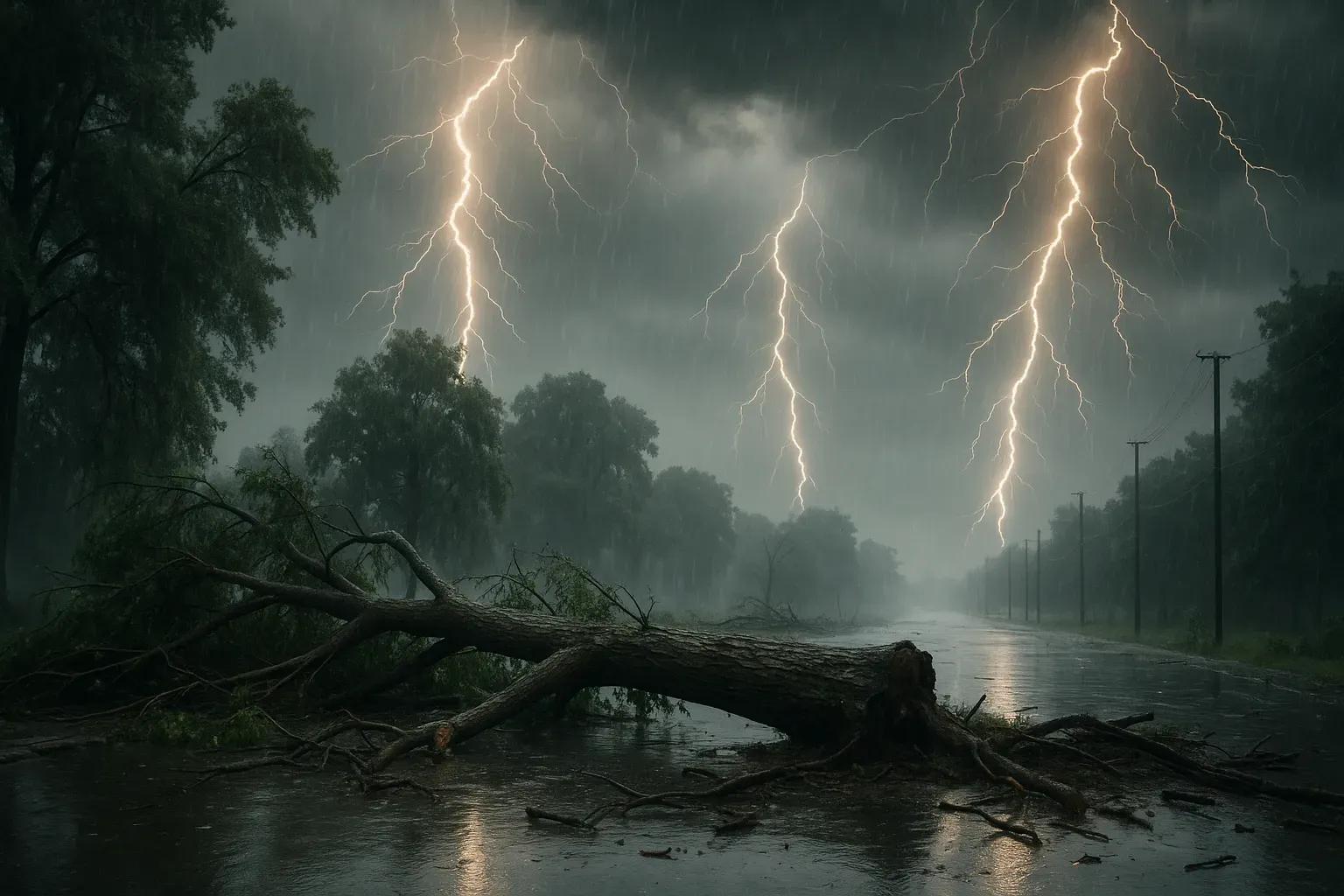
Greece faces chaos as severe storms prompt over 940 emergency calls for tree clean-ups and water pumping. A staggering 58,000 lightning strikes have battered the country, harming crops and infrastructure. Authorities urge residents to heed safety instructions as the storm’s threat persists.
No doubt about it. Greece is in weather hell, with massive storms leaving destruction in their wake. More than 940 calls for help with tree removal and water cleanup paint a grim picture. The storm isn’t picky,it’s thrashing places like Attica, Thessaloniki, and Thessaly, turning life upside down in cities and the countryside alike.
Key Highlights:
- 940 emergency calls for tree and water issues across Greece.
- A whopping 58,000 lightning strikes during the storms.
- Thessaly and others hit hard: crops destroyed, infrastructure crumbling.
- Swamped roads and power outages trouble many regions.
What Impact Has the Storm Had in Greece?
The storm is tearing Greece apart. Winds have knocked trees over, blocking roads and cutting power. Flooding from heavy rain and hail has battered cities and farmland.
Just in Attica, 251 trees were axed by the storm’s force. The chaos didn’t stop there; Thessaloniki, Thessaly, Fthiotida, and Agrinio suffered too, with trees toppling everywhere and roads turning into obstacle courses. And then there’s the lightning,thousands of strikes sparking fires and making a bad situation worse in Halkidiki.
The agricultural sector in Thessaly, known as Greece’s breadbasket, has been particularly hit. Farmers report extensive damage to crops such as cotton, corn, and olives, which are vital to both local economies and national exports. This devastation could lead to significant economic repercussions, with initial estimates suggesting losses in the millions of euros. Infrastructure such as roads and bridges in rural areas has also been critically damaged, potentially isolating communities and complicating rescue and relief efforts.
How Did Emergency Services Respond?
The emergency crews didn’t wait around. Over 940 calls sent them out to clear trees and pump water. Their quick actions helped curtail more damage and kept people safer.
Crews hustled to sweep debris away and fix downed power lines. Meteorologists, firefighters, and local officials worked hand in hand to keep the public informed and safe.
Firefighting units have been working around the clock not only to deal with the immediate threats posed by the storm but also to manage the increased risk of fires caused by the unprecedented number of lightning strikes. The coordination among different agencies, including the Hellenic Fire Service, local police, and municipal services, has been crucial in managing the immediate aftermath of the storm. the use of technology, such as drones and satellite imagery, has played a vital role in assessing the damage and planning recovery operations efficiently.
Which Areas Were Most Affected by the Storm?
Attica, Thessaloniki, Thessaly, Fthiotida, and Agrinio took the brunt of it. Thessaly faced brutal rain and hail that smashed crops and cracked infrastructure. In these areas, life halted with road closures and outages hitting hard.
Places like Larissa and the Peneus Valley saw crops ruined by the storm. Authorities pleaded with residents to stay put and pay attention to warnings as the storm raged on, turning everyday travel into a perilous venture.
The effects of the storm have extended beyond immediate physical damage. In urban areas, such as Thessaloniki, there have been reports of prolonged power outages affecting thousands of households. This has disrupted daily life, causing chaos in transportation as traffic lights failed, and leaving many without heating during a period of unseasonably cold weather. the storm has highlighted the vulnerability of Greece’s infrastructure to extreme weather events, prompting debates about the need for significant infrastructure investment and modernization to withstand future climatic challenges.
See Also:
- Poland’s Summer 2026 Weather Alert: Unprecedented Storms and Cooling
- Weather Patterns in 2026: Beyond Just High Temperatures
The Final Verdict: What to Expect
This storm has exposed cracks in Greece’s infrastructure and emergency plans. Going forward, a stronger focus on preventative measures may be necessary to tackle such severe weather. With climate change marching on, expect more of the same,and worse.
How will these challenges be addressed in the future?
Looking ahead, Greece may need to adopt a multi-faceted approach to better prepare for such extreme weather events. Investment in resilient infrastructure, such as flood defenses and robust power grids, will be crucial. enhancing early warning systems and public awareness campaigns can help communities better prepare and respond to future storms. Collaboration with international partners for sharing best practices and technologies could also prove beneficial. As part of broader climate change adaptation strategies, these measures will be vital in mitigating the impacts of future storms and protecting Greek communities and their livelihoods.