Paros Protests 2026: The Fight Against Beach Exploitation Continues
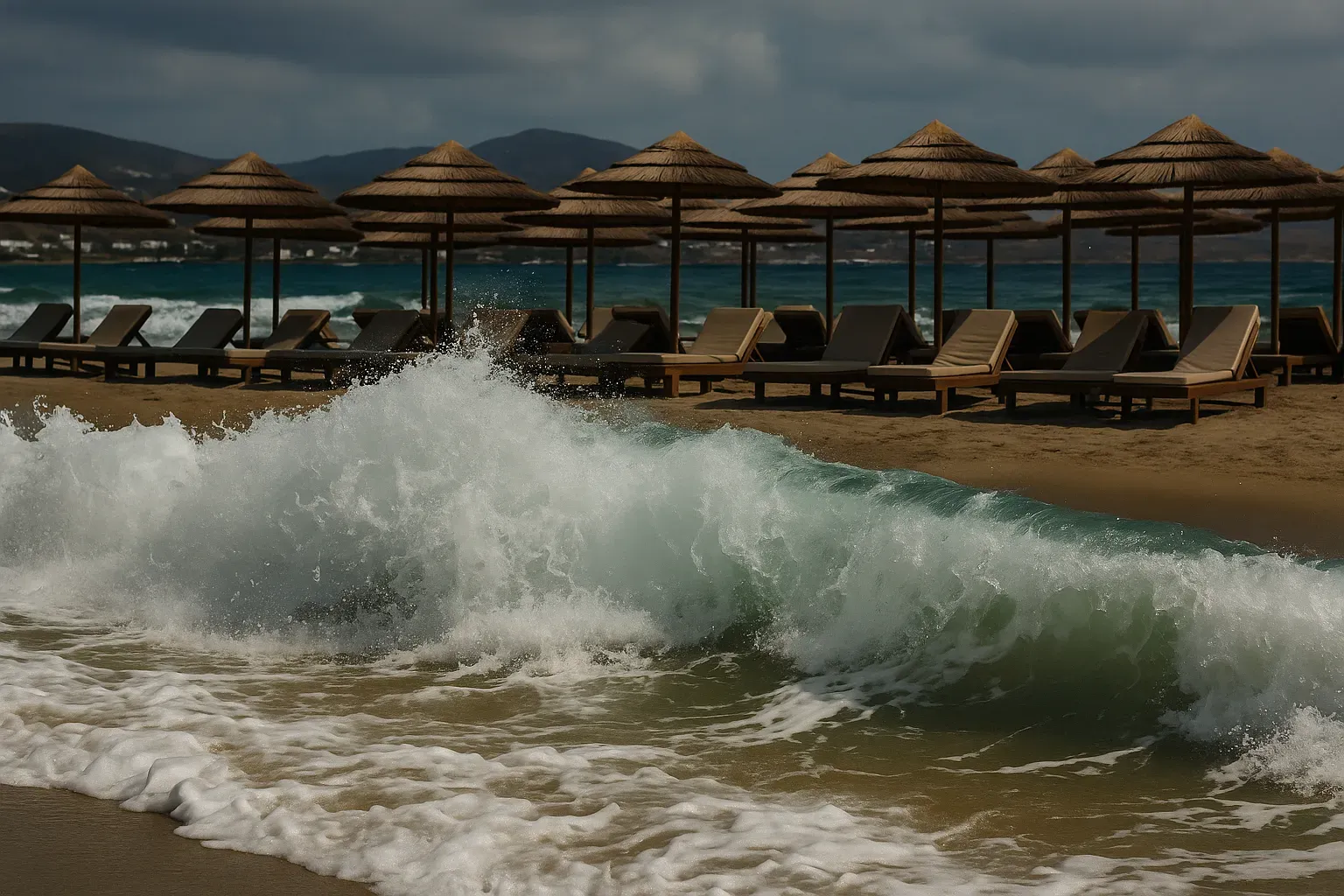
Protests have erupted once more in Paros against the commercial exploitation of beaches, reviving issues first raised by the free beach movement. Demonstrators emphasize the need to preserve natural landscapes and prevent further environmental damage caused by unchecked tourism developments. This reflects a broader societal debate on balancing tourism with community and environmental needs.
It’s confirmed. Protests have erupted again in Paros, taking aim at the relentless commercialization of its lovely beaches. People are frustrated. They want their beaches back, unspoiled and open. Two years ago, a similar surge of anger bubbled over. Now, with tourism still rampant, islanders are demanding immediate action.
Key Highlights:
- In 2024, protests against beach commercialization on Paros caught national attention.
- The free beach movement is gaining momentum across Greece, pushing for public access.
- Concerns over sustainability grow as tourist numbers climb in 2026.
What Sparks the Protests in Paros?
Protesters on Paros are fed up with the relentless expansion of tourist facilities along their shores. They say these new developments mar the natural beauty and deny locals access. These voices echo past calls for tourism that respects the environment.
In recent years, Paros has become a magnet for tourists, putting its resources under strain. Locals and environmentalists worry about damage to the environment and the erosion of cultural heritage. Tourists might love their sunbeds and umbrellas, but for residents, it’s a loss of their rights.
Beyond the aesthetic and access issues, there is a deeper environmental concern. Coastal ecosystems are particularly sensitive, and the construction of tourist facilities can lead to erosion, habitat destruction, and pollution. This has been observed with the increased waste and stress on local wildlife, which threatens biodiversity.
The Impact of Tourism on Paros
Tourism is a mixed bag for Paros. Sure, it props up the economy. But it also brings headaches. An endless wave of visitors stresses the environment, as these protests highlight. Visitor numbers doubled from 2015 to 2025, according to reports, straining local resources.
As Paros draws more tourists, infrastructure races to keep up. But this growth, often reckless, threatens the island’s ecological and cultural treasures. Local officials face a tricky task: thriving economically without trashing the island’s natural charm.
The economic benefits of tourism cannot be discounted. In 2025, tourism accounted for over 50% of Paros’s GDP, providing jobs and boosting local businesses. But the strain on local infrastructure, such as water supply, waste management, and transportation, has become increasingly apparent. This has sparked debates on whether the current tourism model is sustainable in the long term.
Are Regulations Enough?
The rules on beach exploitation in Paros don’t seem to cut it. Even with coast-protecting laws, enforcement is lax. Activists point to loopholes and oversight gaps that let unauthorized expansions happen.
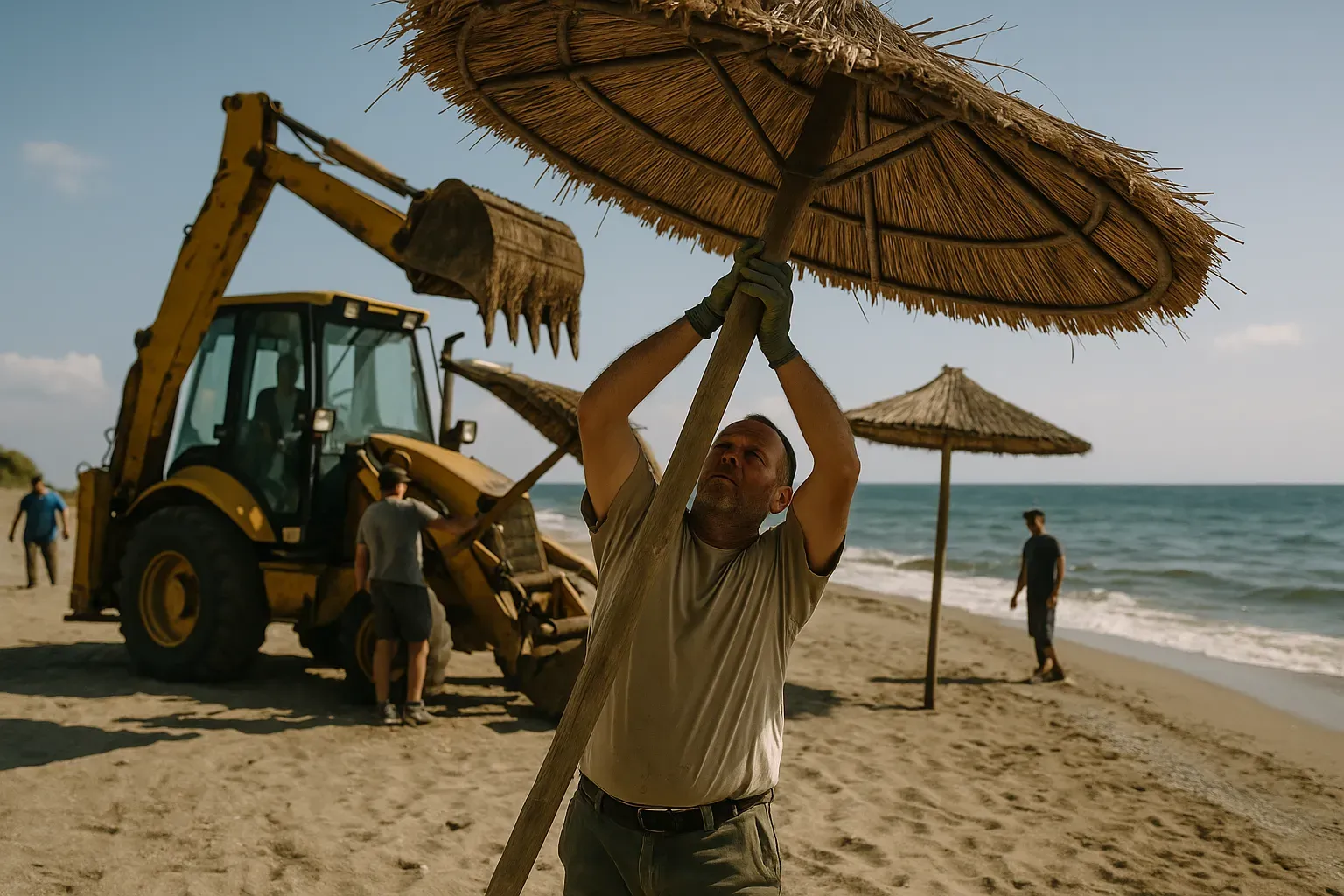
Taking down unauthorized setups, like in the Dio-Olympus area, is a start. But without strong policies and enforcement, it won’t be enough. Can Paros lead on sustainable tourism?
Experts argue that for sustainable tourism to take root, local governments must not only tighten regulations but also engage with community stakeholders. Participatory decision-making could ensure that development projects align with the community’s vision for Paros. This approach requires transparency and accountability, with regular audits of compliance with regulations.
Texto do parágrafo. Authorities Dismantle Unauthorized Beach Umbrellas in Dio-Olympus Region (2026) texto continua.
How Do Locals Feel About Tourism?
Views on tourism in Paros? Mixed. It’s crucial for the economy, but many think it’s out of control. The free beach movement shows deeper worries about environmental and cultural costs.
Some locals thrive on the booming tourism scene. Others, overwhelmed, fear for the island’s cultural soul as traditional villages morph to fit tourist needs. It’s a balancing act for local leaders: economic growth and preserving what makes Paros special.
There is a growing sentiment among younger generations to seek a more balanced approach. Initiatives like eco-tourism and promoting local culture and heritage are gaining traction. These initiatives aim to provide tourists with an authentic experience while encouraging them to respect and participate in the preservation of Paros’s unique identity.
See Also:
The Final Verdict
Once again, protests in Paros put the spotlight on the tug-of-war between tourism and environmental care. The clamor for change is loud, but enacting it is complicated. Cooperation among residents, activists, and officials is vital to keep Paros attractive without sacrificing its natural and cultural identity. Time will tell if they get it right.
What do you think? Should Paros prioritize tourism or preservation?
the ongoing protests in Paros serve as a microcosm of a global challenge: how to enjoy the economic benefits of tourism while safeguarding environmental integrity and cultural heritage. Innovative solutions and collaborative efforts are essential for finding a sustainable path forward that respects both the island’s beauty and its people’s well-being.