Olympiakos Leads the 2026 Champions League Race: Can PAOK and Panathinaikos Catch Up?
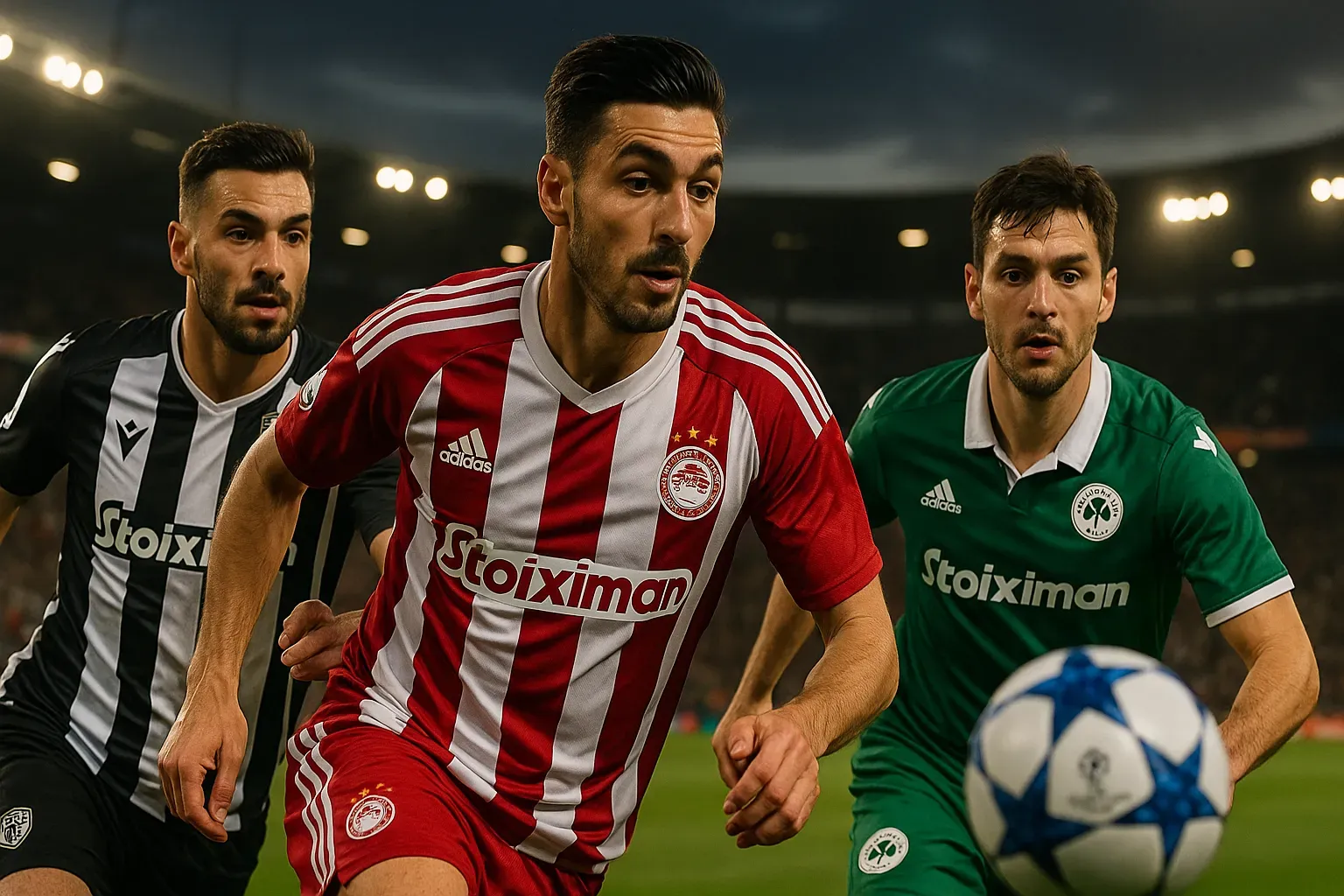
Olympiakos sits at the top of the leaderboard for direct entry into the 2026 Champions League League Phase. With 57,250 points, they edge out Shakhtar Donetsk thanks to five years of steady performance. PAOK and Panathinaikos lag significantly behind, facing a tough challenge to qualify directly.
The journey to the 2026 Champions League is fierce, with every club maneuvering for position. Out front, Olympiakos leads, eyeing a direct League Phase spot if they take the national crown. Yet, the chase isn’t over. PAOK and Panathinaikos have their sights set high, ready to battle uphill for the same prize.
Highlights:
- Olympiakos leads with 57,250 points; Shakhtar follows at 56,250.
- Winning the domestic league is essential for direct Champions League entry.
- PAOK sits on 37,750 points, with Panathinaikos further back at 31,250.
- Current rankings impact adjustments for direct Champions League placement.
What Does Olympiakos’s Lead Mean for the 2026 Champions League?
Olympiakos’s top spot offers them a prime position. Leading the five-year ranking makes direct entry into the League Phase likely, sidestepping early hurdles. This lets them hone their focus on the main event.
In Greek football, Olympiakos has long been dominant, using their European experience wisely. Their ranking mirrors this strength and steadiness, underscoring their clever tactics and execution on the field. Their well-established infrastructure, from training facilities to strategic management, plays a critical role in maintaining their competitive edge. With a strong financial backing, Olympiakos has been able to recruit top talent from around the world, further enhancing their squad’s capabilities.
Olympiakos’s consistent presence in European competitions over the years has not only improved their coefficient ranking but also increased their visibility and appeal to potential new signings. The revenue generated from these tournaments has allowed for reinvestment in the club’s resources, ensuring a cycle of success. Their ability to win crucial matches, both domestically and in Europe, demonstrates their resilience and tactical acumen. This track record of success creates a culture of winning that permeates throughout the club.
How Can PAOK and Panathinaikos Catch Up?
To catch Olympiakos, PAOK and Panathinaikos must claim the domestic title and shine in Europe. It’s a tough road, where success in Greece must pair with big European wins.
PAOK, with 37,750 points, and Panathinaikos at 31,250, have a steep climb. They must conquer home turf decisively and aim for strong showings in the Europa Conference and Europa League to boost their standings. Building robust youth academies could be a game-changer for both clubs, providing a steady pipeline of talent. PAOK has already made strides by investing in local youth programs, hoping to nurture the next generation of Greek football stars.
Learning from Olympiakos might help. Rigorous training and sharp game plans are crucial. Developing young talent and smart player acquisitions are key to keeping an edge internationally. PAOK has shown potential by reaching the knockout stages in recent European campaigns, indicating they can compete at higher levels. Panathinaikos, on the other hand, needs to rebuild their squad depth and focus on tactical flexibility to adapt to different opponents.
financial management will be vital. Both PAOK and Panathinaikos need to ensure financial stability to invest in players and facilities without jeopardizing their future. Seeking strategic partnerships and sponsorships might provide the financial boost needed to recruit top-tier talent. By strengthening their scouting networks, they can identify and acquire under-the-radar players who can make a significant impact without breaking the bank.
Why Is the UEFA Coefficient Ranking Crucial?
The UEFA coefficient ranking shapes entry into European competitions. It’s based on club performance over five years, impacting seeds and qualification paths.
A consistent club like Olympiakos gains an edge, using rankings to avoid early struggles. This ranking is vital, setting the stage for elite contests and often sparing top clubs from tough qualifier rounds. For PAOK and Panathinaikos, improving their rankings means not only better chances in draws but also increased credibility on the European stage, which can attract better players and more lucrative sponsorship deals.
The coefficient ranking also influences national associations, as higher rankings can lead to more Champions League spots for a country’s teams. So PAOK and Panathinaikos’s improved performances could benefit Greek football as a whole, enhancing its reputation and level of competition. This interdependence makes it crucial for all Greek clubs to push for higher rankings, as the collective success can bring long-term benefits.
What Are the Next Steps for Olympiakos?
Olympiakos should focus on securing their lead by winning the Greek Superleague and planning for the Champions League. Continuously improving their squad is crucial, alongside smart transfer decisions.
Recent actions, such as the €24 million offer for André Luís and the acquisition of Manolis Saliakas, highlight their ambition to reinforce their team, ensuring depth and skill for future competitions. These strategic moves not only strengthen their current lineup but also offer versatility, allowing the team to adapt to different playing styles and formations.
Olympiakos is expected to maintain their focus on youth development, continuing to invest in their academy system. This ensures a steady supply of homegrown players who can uphold the club’s traditions and values. By balancing experienced signings with emerging talent, Olympiakos can cultivate a balanced squad capable of sustained success.
See Also:
- Olympiakos Transfer News 2026: Sporting Kansas Offers €24 Million for André Luís
- Olympiakos Signs Manolis Saliakas for 2026: The €1.3 Million Deal Explained
What Is the Final Verdict for Greek Teams in 2026?
The Champions League race is fiercely competitive, with Olympiakos as the leader. But nothing’s certain. PAOK and Panathinaikos need big upgrades and strategic wins at home and in Europe. They must also focus on improving their UEFA coefficient rankings to ensure easier paths in future competitions.
Will Olympiakos keep their edge, or will the tables turn unexpectedly? The coming seasons will test the resilience and strategic foresight of all three clubs, as they navigate the challenges of domestic and European football.