Oil Market Fluctuations and Diplomatic Efforts Amid US-Iran Tensions (2026)
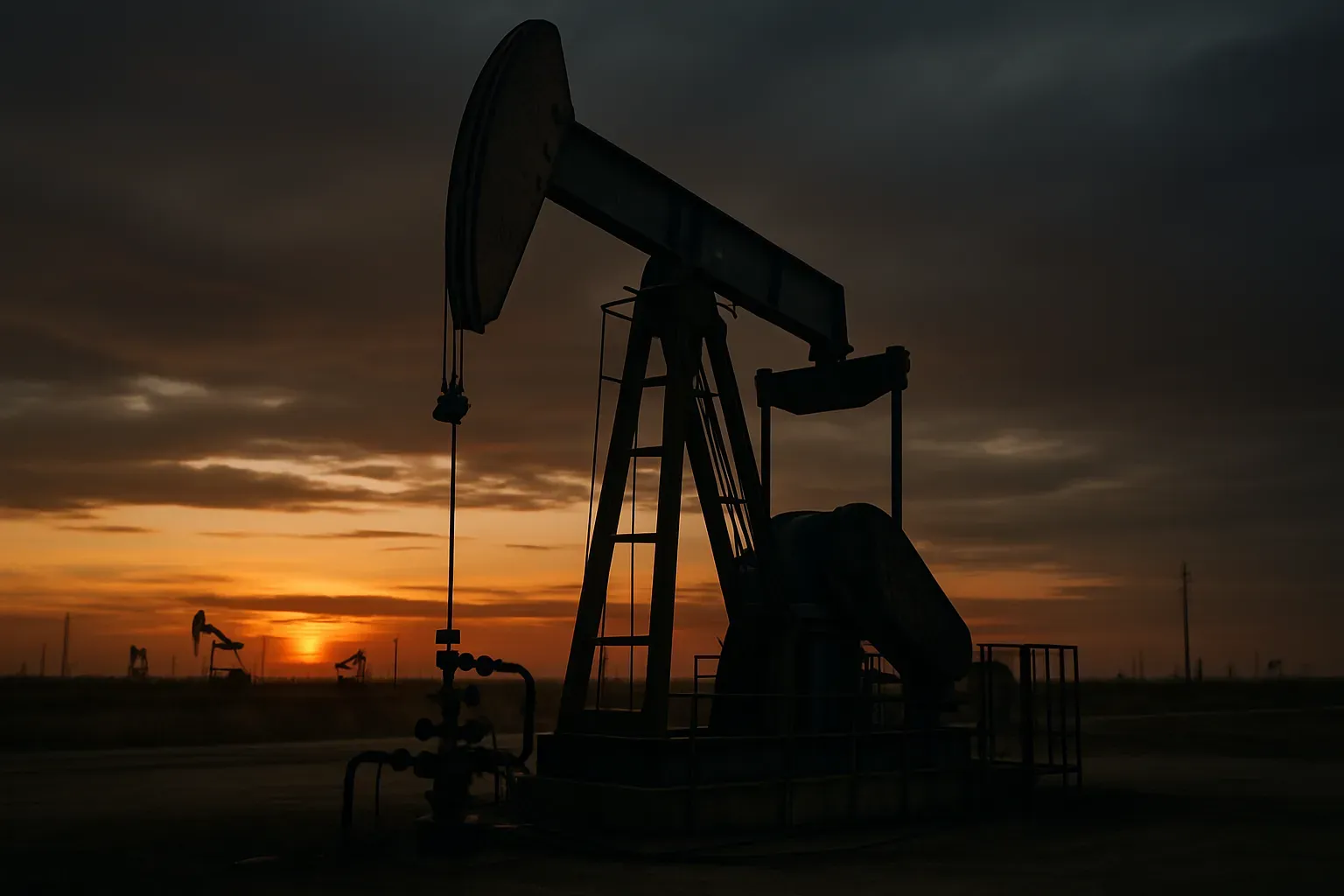
Oil prices have dipped slightly amid US-Iran diplomatic talks, despite ongoing military tension. Brent crude sits at $88.52 per barrel, down 0.78%, with US WTI at $82.15, a 0.40% drop. Investors are wary, watching geopolitical shifts and global oil demand closely.
Oil prices are more than numbers; they’re a gauge of global tension. Today, the market responds to a mix of military clashes and diplomatic exchanges between the US and Iran. As of Tuesday, both Brent crude and WTI edged down, reflecting how investors twitch at geopolitical ripples. Historically, the oil market has been highly sensitive to geopolitical developments, with price fluctuations often acting as barometers of wider political instability.
Key Highlights:
- Brent crude slipped 0.78% to $88.52 a barrel, according to Reuters.
- US WTI fell 0.40%, now trading at $82.15 a barrel.
- A 10-day ceasefire is being discussed, with Iran considering the proposal.
- Attack risks rise near the Strait of Hormuz, threatening shipping lanes.
What are the Recent Oil Price Movements?
The oil market is in a mild slump. Brent crude futures are down 0.78%, settling at $88.52 a barrel. West Texas Intermediate (WTI) follows, dropping 0.40% to $82.15. This reflects market volatility amid geopolitical tensions. Such declines are not only influenced by geopolitical factors but also by broader economic indicators, such as global demand forecasts and the strength of the US dollar.
Investors are glued to military and diplomatic developments. Reuters hints at a potential thaw between the US and Iran, with a proposed ten-day ceasefire. This only adds layers to the already complicated oil landscape. Historically, any prospect of reduced conflict can lead to temporary stabilization in oil prices, as traders react to potential increases in supply stability.
How Do Geopolitical Tensions Influence Oil Prices?
Geopolitical tensions, especially in the Middle East, wield significant power over global oil prices. Military actions can choke supply routes, pushing prices up, while diplomacy may calm the waters. Currently, US airstrikes and Iranian responses keep markets on edge, making forecasts tricky. The Middle East, home to more than half of the world’s oil reserves, has always been a critical factor in global energy markets.
The situation in the Persian Gulf, a crucial oil route, adds to the uncertainty. The UK Maritime Trade Operations reported a tanker attack recently, highlighting the stakes. These incidents show how regional volatility can echo through global markets. The Persian Gulf is a strategic chokepoint, with about 20% of the world’s petroleum passing through the Strait of Hormuz. Any disruptions here could lead to immediate price surges.
Why is the US-Iran Relationship Crucial for Oil Markets?
The US-Iran relationship is vital because of Iran’s strategic location and oil production. Skirmishes or ceasefires between them can lead to major price swings. Military escalation threatens to disrupt supply chains in this oil-rich area. Iran holds the world’s fourth-largest proven crude oil reserves, making its output significant for global markets.
Diplomatic gestures, like the suggested ceasefire, hint at easing tensions. But ING analysts warn that unresolved issues leave the path to peace littered with obstacles. Despite hopeful glimmers, resolution remains a question mark. The complexity of US-Iran relations, including nuclear negotiations and regional power dynamics, means that the road to lasting peace is fraught with challenges.
What Risks Do Shipping Disruptions Pose?
Shipping disruptions in key zones like the Strait of Hormuz can drastically affect global oil supply. Recent threats by Yemen’s Houthi rebels to block Saudi Arabia fuel fears of cutoffs, possibly spiking prices sharply. The region’s geopolitical volatility underscores the vulnerability of global oil supply chains.
The Strait of Hormuz is essential, carrying about a fifth of global oil trade. Any disruption here could spark immediate global turmoil, stressing the need for stability in this tight passage. The world watches, waiting for what’s next. Historically, tensions in this area have led to significant price spikes, with previous blockades or threats causing prices to rise by as much as 10% overnight.
The Role of OPEC in Stabilizing Oil Markets
OPEC, the Organization of the Petroleum Exporting Countries, shapes stabilizing oil markets amidst geopolitical tensions. By adjusting production levels, OPEC can influence global oil prices significantly. During periods of high tension, OPEC has historically stepped in to balance supply and demand, attempting to prevent dramatic price escalations.
In recent years, OPEC’s influence has been challenged by the rise of non-OPEC producers, but its decisions continue to be closely monitored by investors. OPEC members, particularly those in the Middle East, have a vested interest in maintaining stability to protect their economic interests. Coordinated efforts by OPEC to manage supply disruptions and support diplomatic efforts can provide a buffer against market volatility.
See Also:
- Προοπτικές για τη Wall Street το 2026: Ανάμεσα στην Αβεβαιότητα και Ευκαιρίες
- Αλέξης Σταμάτης: Αποχαιρετισμός σε Έναν Σπουδαίο Δημιουργό (2026)
The Final Verdict
As US-Iran relations swing between fire and diplomacy, oil markets stay jittery. Investors must navigate this precarious landscape, weighing supply threats against diplomatic openings. Is this dip just a flicker or a calm before the storm? The current scenario is reminiscent of past geopolitical crises where initial optimism quickly faded due to renewed hostilities.
What’s your take? Will tensions ease or boil over?