Massive Wildfire in Thessaloniki: 2026 Firefighting Efforts in Action
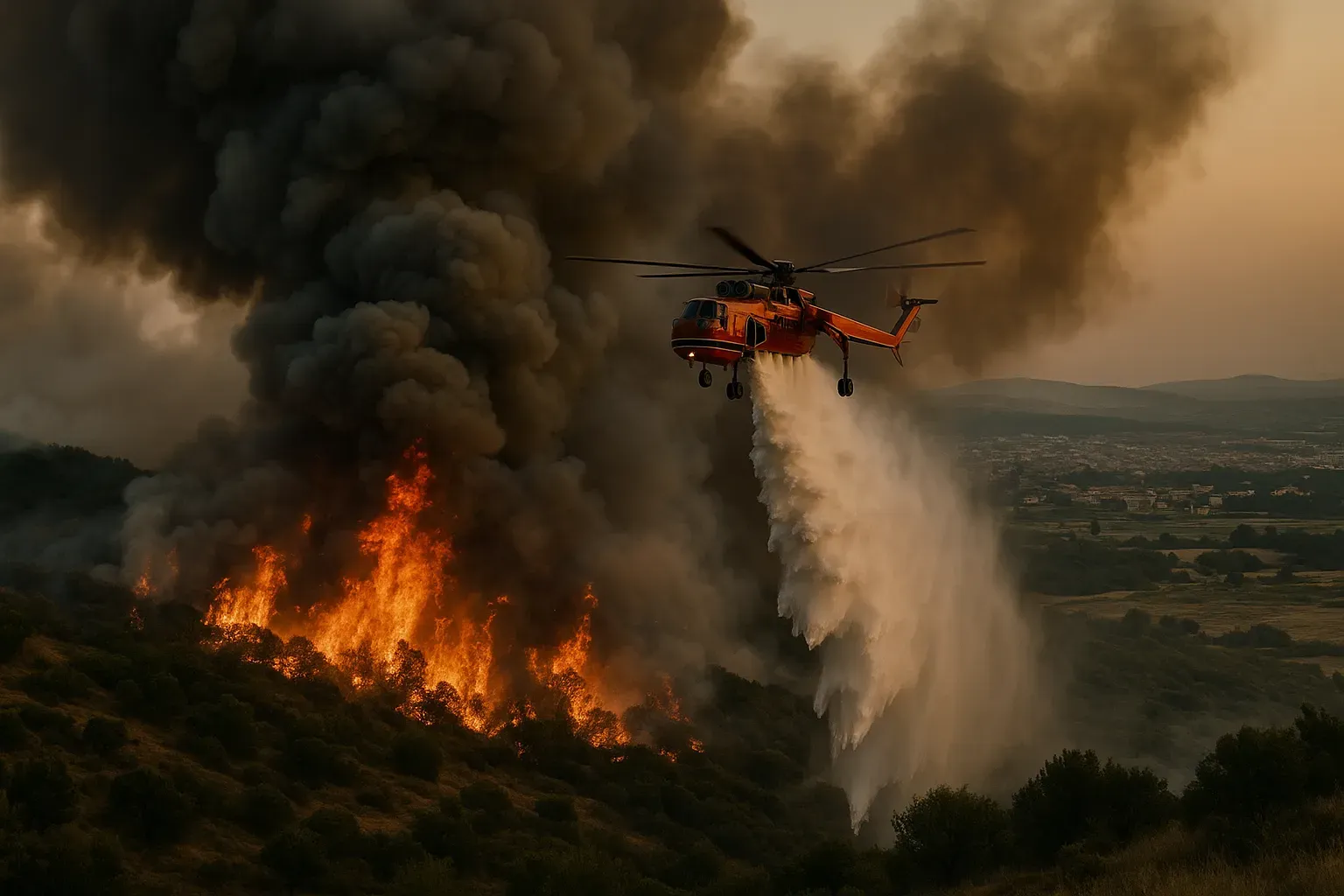
A large wildfire has erupted in Thessaloniki’s Derveni area, threatening natural landscapes while sparing homes so far. Firefighting forces have ramped up with help from local and Moldovan teams to contain the blaze.
It’s happened. A fierce wildfire blazes near Thessaloniki’s Derveni region, causing alarm. The inferno summoned an initial 50 firefighters, later swelling to 78 with Moldovan support. Emergency alerts lit up residents’ phones, urging vigilance as crews battle on.
Key Highlights:
- Thessaloniki’s Derveni wildfire has engaged 78 firefighters and 22 vehicles.
- Help from Moldova includes 12 firefighters and 3 vehicles.
- 112 alerts issued, advising residents to stay indoors.
- Firefighting involves five aircraft and two helicopters.
What Triggered the Thessaloniki Fire?
The cause of Thessaloniki’s wildfire is still a mystery. Arson investigators are digging deep to see if it’s a mishap or mischief. Fires here often stem from dry spells or human carelessness. Its nearness to natural parks could spell trouble for conservation efforts.
In Greece, fires flare up every summer when heat and dryness mix. This fire is a stark reminder of the need to grasp and counter fire risks in delicate zones. Climate change heightens these stakes, and so does the need for strong emergency plans. In recent years, Greece has experienced some of the most severe wildfires in its history, with the 2021 fires burning over 125,000 hectares of land. These events underline the crucial necessity of understanding and mitigating fire risks in vulnerable areas.
How Are Firefighting Efforts Being Coordinated?
Thessaloniki’s firefighting is a well-choreographed effort. Starting with 50 firefighters, now 78 including Moldovans, are dueling the blaze. Aerial support runs thick with five planes and two helicopters.
This quick response highlights the power of local and global teamwork in tackling sprawling wildfires. The Thessaloniki operation showcases strategic foresight and resource management. Local volunteers and city resources, like water carriers and machinery, are essential supports. The coordinated efforts also include the use of advanced technologies such as drones to provide real-time data on fire behavior and progression, which helps in strategic planning and efficient allocation of resources.
Who Is Affected by the Thessaloniki Wildfire?
For now, Derveni’s fire stays away from crowded areas. But the emergency alert system (112) has been triggered, telling folks to keep doors and windows sealed. Heeding these alerts is key to staying safe.
The 112 system’s action in Thessaloniki underscores robust emergency communication. By keeping people in the loop, risks are minimized. Ongoing updates and safety tips are crucial as the fight to control the fire continues. The local government has also set up temporary shelters for those who may need to evacuate, ensuring that all residents have a safe place to go if the situation worsens.
What Role Does International Cooperation Play in Fighting the Fire?
International teamwork is vital in the Thessaloniki fire battle. Moldovan firefighters’ involvement shows how shared efforts boost local defenses. Such link-ups expand resources and know-how, crucial for handling emergencies.
Greece’s history of international cooperation in fire crises reflects a wider trend of cross-border aid. This not only improves immediate responses but also builds collective expertise in firefighting and resource management. The European Union has been instrumental in fostering such collaborations, often coordinating the deployment of resources and personnel from various member states to assist in large-scale emergencies. This solidarity is a testament to the shared commitment to tackling climate-induced disasters.
Are There Environmental Concerns Related to the Wildfire?
The ecological toll of fires, like Derveni’s, can be profound, harming plants and animals. Its closeness to Derveni Environmental Park stirs fears of ecological harm. Fires disrupt ecosystems and demand long-term mending after being snuffed out.
Tackling these environmental impacts needs post-fire recovery steps like replanting and restoring habitats. The Derveni fire underscores the necessity of sustainable land management and preemptive measures to prevent future blazes. Recent studies have shown that post-fire recovery can take decades, during which time biodiversity may suffer significantly. Local conservation groups are already planning rehabilitation projects to rejuvenate the affected areas, emphasizing the importance of immediate and sustained ecological recovery efforts.
See Also:
- Heat Wave in France: A Glimpse at 2026’s Cooling Trend
- Weather Patterns in 2026: Beyond Just High Temperatures
The Final Verdict
Thessaloniki’s wildfire may not yet threaten homes, but the firefighting must stay sharp to keep it that way. The collaboration between local and international teams sets a solid standard for crisis response. Going forward, addressing root causes and honing preventive tactics is essential for protecting vulnerable areas.
Will these efforts spark greater environmental awareness? The ongoing crisis acts as a wake-up call for the global community to enhance environmental stewardship and proactive wildfire management. As climate change continues to alter weather patterns, the need for comprehensive strategies that encompass prevention, response, and recovery become ever more critical.