Life in a Nine-Person Village: Lucía's Move in 2026
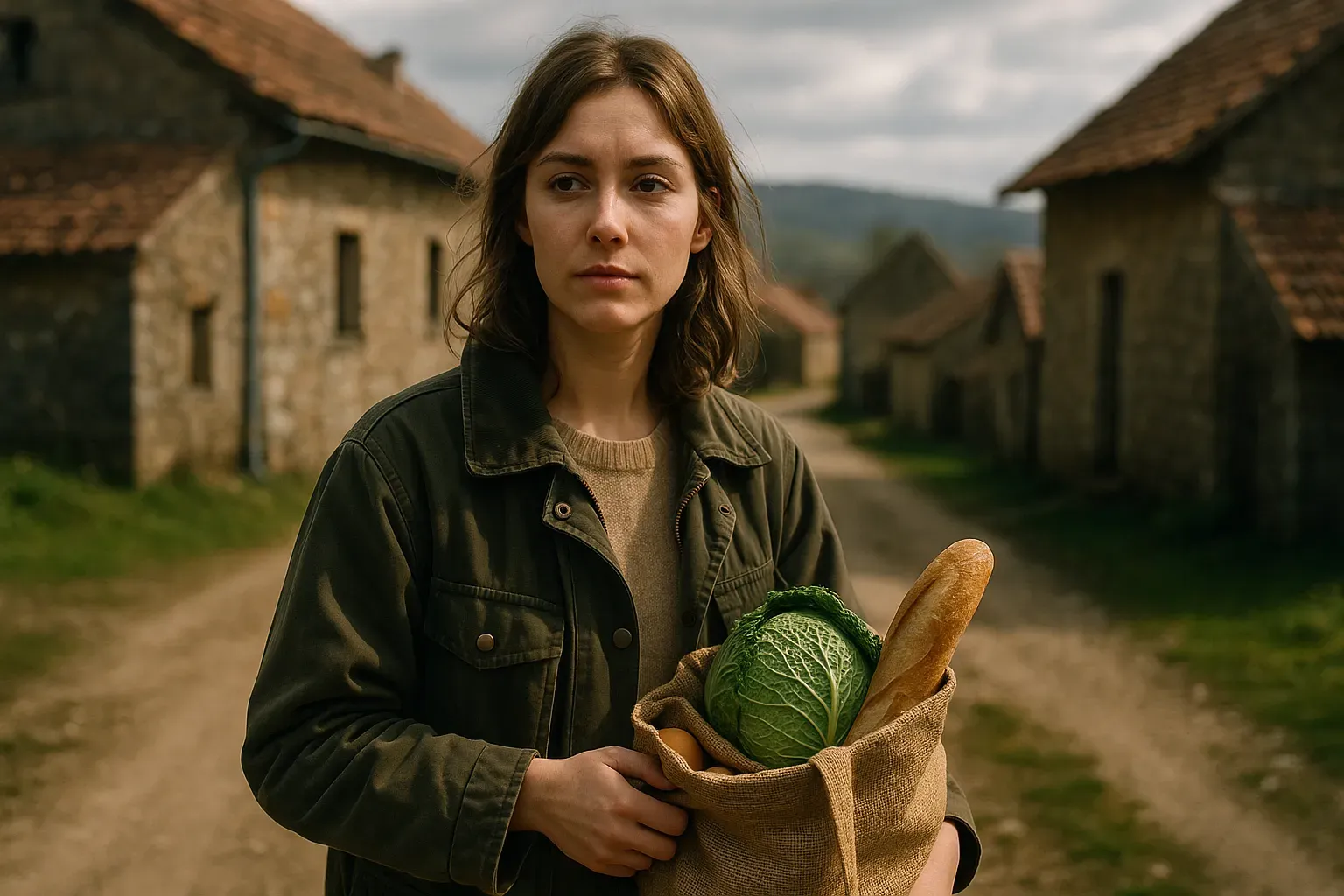
Lucía, just 27, swapped bustling Madrid for a Galician village with nine souls to chase a self-sufficient life. She snagged a vintage house for €6,000 and plans to grow most of her eats. Her grocery bill now hovers around €50 monthly, a fraction of city costs.
At 27, Lucía made a move many might shrink from: trading Madrid’s hustle for a Galician village home to just nine people. Why? To live a life that’s hers alone, free and self-sufficient. Fed up with city worries and crime, she took the leap toward a simpler, more authentic life. Lucía’s journey is nothing short of a transformation.
Key Highlights:
- Lucía purchased a century-old house in Galicia for a mere €6,000.
- Her monthly grocery spend is around €50, far less than what she paid in Madrid.
- Most of her food comes from her own garden, aiming for full self-reliance.
- A bare minimum of €150 a month covers her village essentials.
Why Did Lucía Leave Madrid?
Madrid’s uncertainty and crime were pushing Lucía away. She longed for a quieter, sustainable life. Galicia gave her that chance,a life near nature, chasing a self-sufficient dream, leaving the urban frenzy behind.
The city’s relentless speed and consumer pressures clashed with her wish for simplicity. Buying and fixing up an old house was more than a new address. It was a move toward a life all her own.
In Madrid, Lucía struggled with the rising cost of living. The city, with its rapid gentrification and escalating rental prices, made her question the feasibility of a peaceful life there. Reports in 2025 indicated a 15% increase in Madrid’s rental market, a stark contrast to the affordability she found in Galicia. The economic disparity was a major factor in her decision to relocate.
What Does Self-Sufficiency Look Like for Lucía?
Lucía’s self-sufficiency means growing much of her food herself. She tends her own garden to cover most meals and only buys basics like rice and oil. Her frugal way slashes expenses and breaks away from retail chains.
The house and land cost her just €6,000. Her monthly expenses hover around €150, covering her animals’ needs too. Compared to city living, it’s a bargain and a lifestyle choice that brings financial freedom.
Lucía’s commitment to self-sufficiency extends beyond just food. She has embarked on using renewable energy sources to power her home. By installing solar panels, she reduces her dependency on the grid, cutting down on long-term energy costs. Her efforts reflect a growing trend in rural areas, where the adoption of green technology is on the rise. Statistics from 2026 show a 20% increase in solar installations in rural Spain, a testament to the viability of sustainable living.
Community Life in a Village of Nine
With only nine neighbors, village life brings a unique community vibe. Lucía relishes the tight-knit support and camaraderie. The small scale fosters deep connections and cooperation,far different from city’s faceless crowds.
In such a small community, each person matters, contributing to the village’s wellbeing. Lucía finds fulfillment in these bonds, based on shared goals of sustainability and independence.
The village holds monthly gatherings where residents exchange produce and share meals, fostering a sense of unity and mutual support. These communal activities are vital, as they ensure that everyone’s needs are met while strengthening social ties. Lucía learned traditional Galician recipes from her neighbors, who have passed down culinary secrets for generations. This cultural exchange enriches her experience and deepens her roots in the village.
Challenges of Rural Living
Rural life has its perks but isn’t without hurdles. Limited access to shops and health services calls for careful planning. Lucía adapts by upping her self-reliance, though emergencies may mean trips to a larger town.
Community living demands compromise, as resources are shared. Yet, this builds a stronger sense of responsibility and reliance among villagers. For Lucía, beating these obstacles proves her dedication to a sustainable way of life.
Transportation can also be a challenge. With no public transit in the village, Lucía relies on a bicycle and a shared village vehicle for essential trips. This reliance on shared mobility solutions highlights the ingenuity and cooperation required for rural living. during severe weather, the village can become isolated, requiring residents to prepare for such contingencies by storing essential supplies. Despite these challenges, Lucía values the peace and tranquility her new life offers.
The Future of Lucía’s Rural Adventure
Lucía’s rural journey is a work in progress. She aims for full self-sufficiency, trimming her ties to outside resources. As she advances her land and skills, she’s carving out a spot in this evolving community.
With sustainability on the rise and community revival in the air, Lucía’s path might just set an example for others. Her story shows that alternative lifestyles are not just possible but rewarding.
Lucía’s aspirations include expanding her garden to include more diverse crops, allowing her to explore local markets with her produce. She also plans to host workshops on sustainable living, sharing her knowledge with others who may be interested in following a similar path. Through these efforts, she hopes to inspire a broader movement towards rural revitalization and environmental consciousness.
See Also:
- Tourism for All 2026-2027: Key Dates and Application Process
- Greece Faces Zinc Shortage for License Plates in 2026: What It Means
The Final Verdict
Lucía’s daring leap to a tiny Galician village highlights a trend toward self-reliance and a simpler life. Her story shows that with grit, you can change your life for the better. Her journey underscores how rural living can bring both fulfillment and resilience. Could you take such a step?