Hungary's Nuclear Plant Shutdown: A 2026 Energy Crisis Unfolds
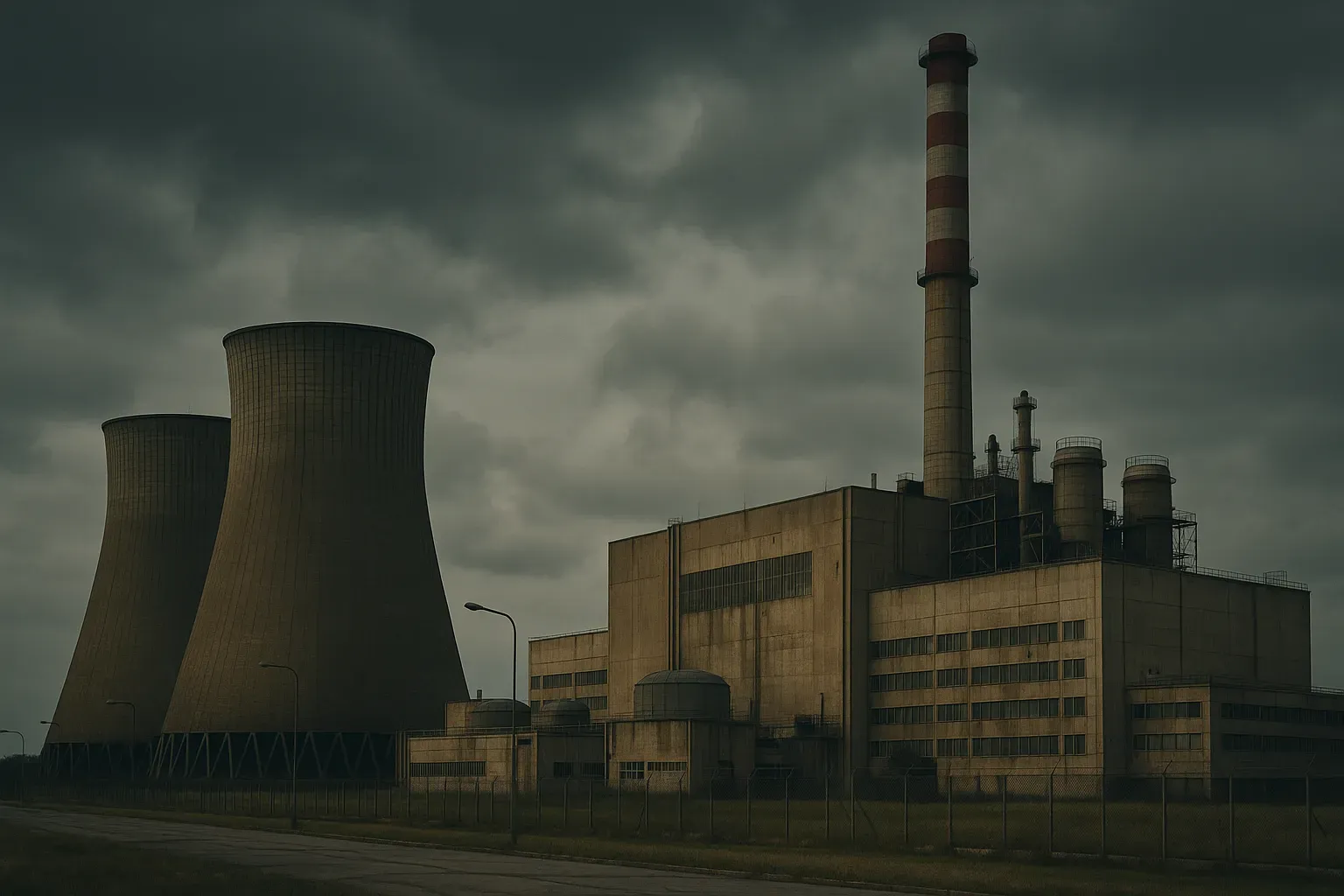
Hungary has halted operations at its lone nuclear power plant, Paks, due to dangerously low water levels in the Danube. This action comes amid a severe drought across Europe, marking the plant’s first full stop in 44 years and deeply impacting Hungary’s energy supply.
Hungary is caught in an energy bind. For the first time since it went online, the Paks nuclear plant has been shuttered. Blame the Danube’s critically low water,an alarming marker of ongoing climate shifts. Prime Minister Piter Mayar made the difficult call, aware of what’s at stake for Hungary’s electricity supply.
Key Highlights:
- The Danube is at record lows thanks to drought and intense heat.
- Paks once powered 40% of Hungary’s grid,now cut to 240 MW.
- First complete shutdown since the plant started over 40 years ago.
Why Did Hungary Shut Down Its Nuclear Plant?
Paks went offline because the Danube’s water, vital for cooling its reactors, is simply too low. Not enough water means unsafe conditions, plain and simple. Nuclear plants require a steady supply of water for cooling; without it, the risk of overheating becomes too high, potentially leading to a nuclear accident.
The relentless drought and heat wave gripped Central Europe, leaving Hungary with some of the lowest river levels ever recorded. In July alone, the Danube’s water levels dropped by over 50% compared to historical averages. This environmental squeeze spotlights how climate change threatens energy setups. Shutting down wasn’t exactly a spur-of-the-moment decision when you consider the plant’s role in keeping the lights on.
Severe Weather in Greece: Major Storm Impacts in 2026 shows how extreme weather is also shaking up energy in nearby areas.
What Are the Immediate Consequences for Hungary?
With Paks offline, energy shortfalls loom. The plant, once cranking out roughly 40% of the country’s juice, is now down to a mere 240 MW. That gap means scrambling for more fossil fuels, muddying Hungary’s energy picture. Hungary has turned to natural gas and coal to make up for the shortfall, but this has pushed carbon emissions higher, complicating the country’s climate commitments.
The economic fallout could sting. Expect energy prices to climb as Hungary taps into foreign markets to fill the gap. Already, electricity costs in the region have risen by 15% since the shutdown, affecting both residential consumers and industrial operations. All this unfolds during relentless heat waves, ramping up pressure on leaders to fix things fast. The government has considered subsidies to alleviate the financial burden on citizens, but this could strain the national budget.
How Have External Factors Contributed to This Crisis?
The ongoing drought and blistering temps across Central Europe have hammered Hungary’s water supply. The Danube, the lifeline for Paks, has sunk to scary lows due to these climate forces. The river’s drop in water level is also affecting agriculture and transport, compounding the crisis.
These environmental shifts aren’t just a one-off,they spell trouble for energy stability across the board. As heat rises, water dwindles, setting off a chain reaction that stresses out systems designed for a kinder climate. The European Environment Agency noted that this trend could become more frequent, urging nations to adapt swiftly to changing conditions.
Can Hungary Avoid Future Shutdowns?
To dodge similar crises later on, Hungary might need to shake things up,think clean energy and better infrastructure. Diversifying power sources and bolstering water-saving strategies could help keep the grid humming. Hungary is exploring the potential of solar and wind energy, which could supplement the energy mix and reduce dependency on single sources.
But pulling this off means heavy investment and policy shifts. Hungary’s challenge is to juggle immediate power needs with long-range climate plans. Acting fast is key to sidestepping future headaches. The government is considering partnerships with neighboring countries to develop regional energy networks that can redistribute power as needed.
See Also:
The Final Verdict
Hungary’s nuclear halt throws a spotlight on the fragile dance between energy needs and environmental forces. As climate change continues to reshape landscapes, countries like Hungary must pivot quickly. This crisis is a blunt reminder to rethink resource use and toughen up infrastructure. The road ahead will require a careful balance between innovation, policy reform, and international cooperation to ensure energy security and environmental sustainability.
How do you see Hungary navigating its energy challenges?