Honoring Saints on July 27, 2026: A Look Back
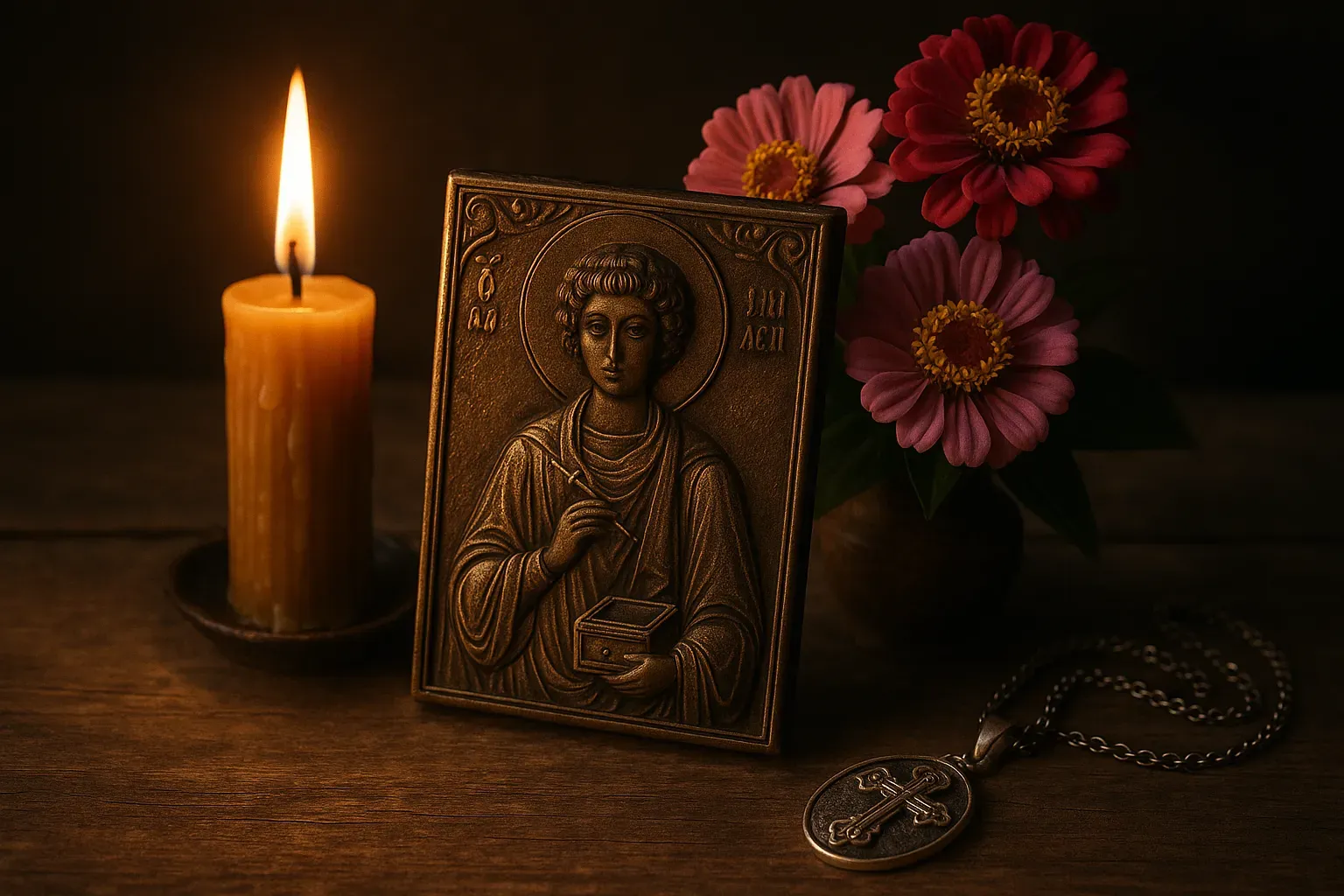
On July 27, 2026, the Orthodox Church recognizes four saints: Saint Panteleimon, noted healer and doctors’ patron; Saint Anthousa, famed for her devotion during the Iconoclast era; Saint Clement of Ohrid, a key figure in Slavic literary history; and Nicholas Kochanov, known as the Christ Fool. Each greatly advanced Christian teachings.
Saint Panteleimon is remembered not just for his healing, but for his courage in faith. Born as Pantoleon in Nicomedia in 275, he was trained by the esteemed Euphrosynos and became a skilled doctor. His journey changed with the guidance of Hermolaus, a Christian priest, who baptized him as Panteleimon, “merciful to all.”
Key Highlights:
- Saint Panteleimon, born in 275 in Nicomedia, famed for miraculous healing.
- Saint Anthousa, daughter of Emperor Constantine V, celebrated for her charity work.
- Saint Clement set up the first Slavic literary school, significantly influencing Slavic culture.
- Nicholas Kochanov, a Novgorod ascetic of the 14th century, embraced a life of simplicity.
Who Was Saint Panteleimon?
Initially named Pantoleon, Saint Panteleimon was a compassionate physician from Nicomedia, known for his healing gift. His medical prowess was not just rooted in his extensive training, but also attributed to his unwavering faith. He believed that healing was a divine gift meant to be shared freely, a revolutionary idea in his time.
Once he adopted Christianity, Panteleimon used his skills for free to aid the sick, winning the people’s love but angering his peers. His refusal to charge for his services was seen as a threat by other doctors who relied on their profession for income. So he faced persecution and was martyred during Diocletian’s reign. His relics, honored worldwide, are housed notably at the Holy Monastery of Panachrantou in Andros. The monastery attracts thousands of pilgrims each year, drawn by the stories of miraculous healings attributed to his intercession.
Saint Anthousa: Embodying Devotion
The daughter of Emperor Constantine V, Saint Anthousa chose a spiritual path over royal comforts. Her life was a testament to her deep-seated faith, defying the expectations and privileges associated with her noble birth.
Despite her father’s iconoclastic policies, which sought to abolish the veneration of icons, Anthousa remained deeply devoted to God and the Christian faith. She established the Monastery of Concord in Constantinople, which became a refuge for those seeking solace and spiritual guidance. Known for her charitable works, Anthousa built hospitals and orphanages, providing essential services to the needy and setting an example of Christian charity. Her resilience and charity made her a spiritual beacon during the iconoclastic turmoil, offering hope and stability in a time of religious conflict.
The Impact of Saint Clement of Ohrid
A cornerstone of Slavic Christianity, Saint Clement of Ohrid founded the first Slavic literary school in the 9th century. His contributions to education and religion were immense, providing the tools necessary for cultural and spiritual advancement.
Working alongside Saints Cyril and Methodius, Clement helped translate church texts into Slavonic, fostering literacy and spreading Christian teachings. This monumental task ensured that the Slavic population could access religious texts in their native language, promoting understanding and engagement with the faith. As the first bishop to preach in the Slavic language, Clement left a mark on both religion and culture. His influence lives on in places like Sofia University “St. Kliment Ohridski”, which stands as a testament to his enduring legacy in education and faith. The university remains a hub for theological and cultural studies, continuing Clement’s mission of enlightenment and knowledge.
Nicholas Kochanov: The Humble Christ Fool
Known for his humility, Nicholas Kochanov stood as a symbol of spiritual sacrifice in 14th-century Novgorod. His life was characterized by a profound rejection of material wealth and status, choosing instead a path of poverty and humility.
From a wealthy background, Nicholas shunned materialism for an ascetic life, embodying Gospel teachings. He adopted the role of a “fool for Christ,” a tradition in which individuals feigned madness to express spiritual truths and critique societal norms. His seemingly erratic behavior, like feigning madness, was a spiritual lesson in humility and divine love. His life, along with miracles attributed to him, remains a guiding example. Today, his story serves as a powerful reminder of the values of humility and selflessness, encouraging believers to look beyond societal expectations and to live according to higher spiritual principles.
See Also:
- Εορτολόγιο 2026: Ποιοι Άγιοι Τιμούνται στις 27 Ιουλίου;
- Celebrações Religiosas a 27 de Julho de 2026: O Legado dos Santos
What Does Their Legacy Teach Us?
These saints, celebrated on July 27, reflect charity, faith, and perseverance. They provide enduring models for living by higher principles. Their stories inspire, leaving a deep legacy for believers and historians alike. Each year, their feast day invites contemplation on our personal and shared values. The lessons from their lives encourage us to explore how we might incorporate these principles into our daily lives, fostering a deeper connection with our faith and communities.
How do you view their legacies?