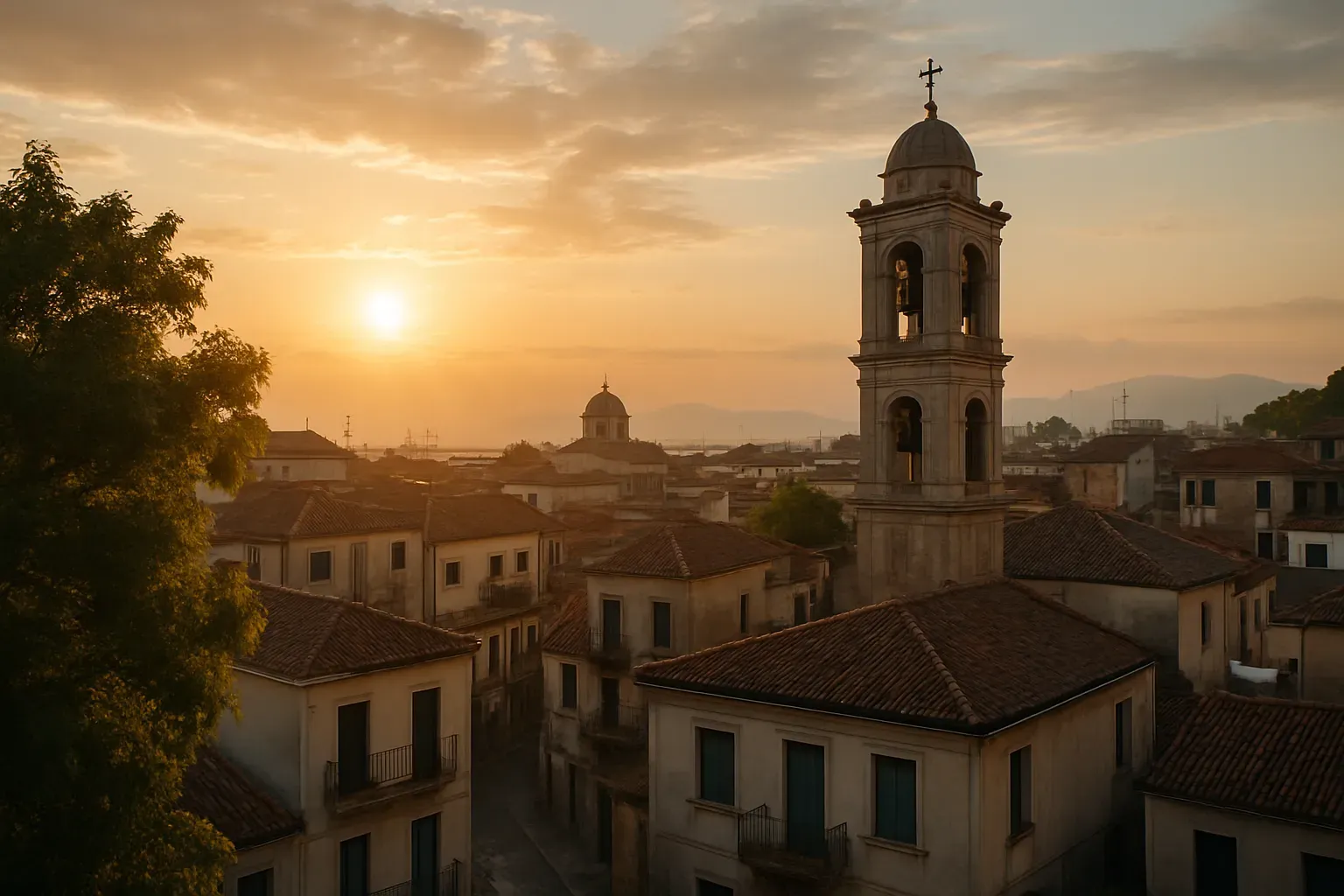
Heat Wave in France: A Glimpse at 2026's Cooling Trend

July 2026’s heat wave in France is easing. Northern areas cool off, but the south stays hot, with a slight decrease in temperatures. Wildfire risks remain high, especially in the South and Center-West. Stay alert as temperatures shift.
France is baking in a severe heat wave. But relief is in sight as the north begins to cool down. Extreme temperatures like 39.8°C in Le Luc are slowly dropping, yet the wildfire threat looms large. Stay alert as France navigates this intense weather.
Key Highlights:
- Temperatures hit 39.8°C in Le Luc, Var on July 21.
- Buhl saw a chilly 5.7°C.
- Record-setting 42.1°C in Saintes on July 12.
How Are Temperatures Shifting?
Reports show a cooling trend across France. The north is now near seasonal temperatures, aided by northeast winds. The south is still hot, just less so. This marks a shift from unbearable heat to something more manageable.
Even with the cooling, Toulouse and its neighbors still face near 38°C through the weekend. But midweek promises cooler weather, slowly releasing us from the heat wave’s grip. Weather changes should ease drought conditions too. The cooling trend is expected to continue, as fronts from the Atlantic bring more temperate air masses, providing much-needed relief to heat-stricken areas.
Data from the French National Meteorological Service, Météo-France, shows that this shift is consistent with historical patterns where intense heat waves are typically followed by significant temperature drops. Such fluctuations are not only due to natural climatic cycles but are increasingly influenced by human-induced climate change, which tends to amplify the extremity of weather patterns.
What’s Behind the Weather Change?
An anticyclonic pattern over Western Europe has brought calm, sunny, and increasingly hot days. But shifting winds and forecasted storms offer a break. The arrival of these storms, primarily from the Atlantic, is crucial in breaking the persistent high-pressure systems that have locked in the heat. These systems, known as heat domes, trap warm air and prevent cooler oceanic air from penetrating inland.
The Mediterranean areas should cool by midweek, suggesting a return to typical summer weather. Predicted thunderstorms could transform the climate, bringing rain and rehydrating parched land. These storms are expected to be intensive yet brief, characteristic of the region’s summer weather, and they may bring localized flooding but are essential for restoring soil moisture levels.
How Bad Is the Drought?
High temperatures and little rain have made the soil drier than ever, worse than the big droughts of 1976, 2022, and 2025. Météo-France points to the lack of rain making it worse. Agricultural output has suffered significantly, with crop yields expected to decline due to water stress. The wine industry, a cornerstone of the French economy, is particularly vulnerable, as prolonged dry spells can alter the delicate balance required for high-quality grape production.
Recent storms have offered a bit of relief, but the drought is still daunting. From Jura to Alsace, severe dryness alarms farmers and environmentalists alike. Steady rain is needed for recovery, highlighting the urgency of climate adaptation. Studies indicate that the frequency of such droughts will increase as global temperatures rise, demanding more innovative water management solutions and robust policies to protect water resources.
What Health Tips Are Out There?
Health warnings emphasize staying hydrated and avoiding heat, especially for those at risk. During severe heat waves, nights are hot too, raising health risks. Nîmes recently had a night low of 27°C. High nocturnal temperatures prevent the body from cooling down, increasing the risk of heat-related illnesses such as heatstroke or exhaustion, particularly among the elderly and those with pre-existing health conditions.
Santé publique France shares tips to cope with these conditions. Their 2024-launched platform offers practical advice for safety at home or outdoors. Public awareness and readiness are critical as temperatures fluctuate. The platform includes tools like heat maps and alerts to keep citizens informed and prepared, which are increasingly vital as climate variability becomes more pronounced.
See Also:
- Weather Patterns in 2026: Beyond Just High Temperatures
- Καύσωνας και Καταιγίδες: Τι να Περιμένετε το 2026
The Final Verdict
This heat wave highlights our climate’s fickleness. With relief in sight, we must think about lasting climate strategies. What’s your take? How do we adapt for a sustainable future? Comprehensive climate policies can mitigate these extremes, focusing on renewable energy, emission reductions, and sustainable agricultural practices to ensure resilience against future climatic challenges.