Greece's Wiretapping Case Shut for Good: Supreme Court's 2026 Decision
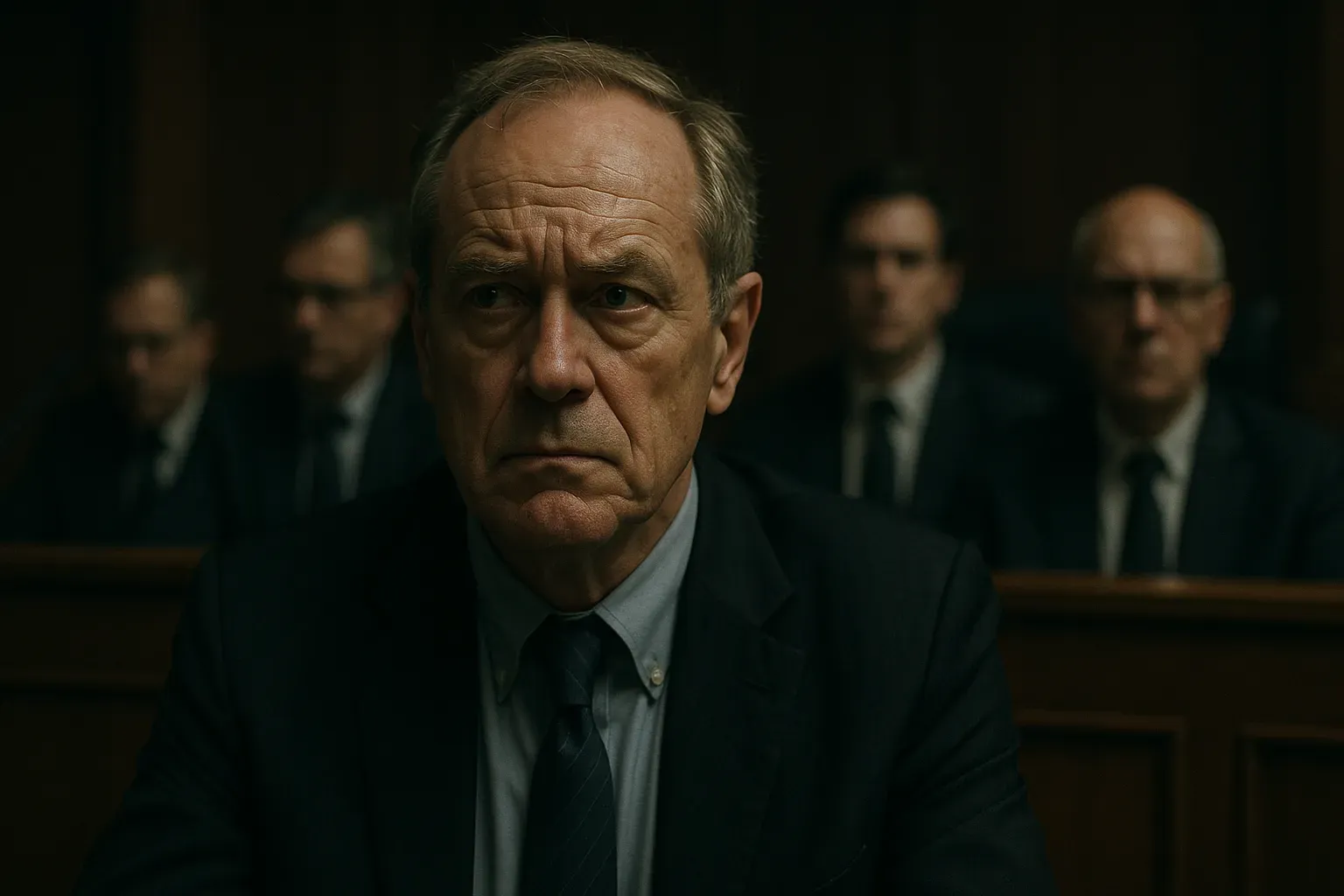
The Greek Supreme Court, under Prosecutor Evangelos Bakelas, declared the wiretapping case closed for lack of new evidence. This move stresses the balance between personal privacy and the needs of national security.
Wiretapping is meant to protect us. Or is it? The Greek Supreme Court thinks otherwise in this instance. With no fresh evidence, the case, under the watch of Prosecutor Evangelos Bakelas, stays closed. Privacy tussles with surveillance, and privacy won this round.
Key Highlights:
- No new evidence found, case stays shut.
- Prosecutor Evangelos Bakelas was pivotal.
- Privacy versus surveillance continues.
- Wiretapping debate ignites security discussions.
- Decision shapes national security talk.
Why is the Wiretapping Case Still Closed?
No new evidence, plain and simple. Evangelos Bakelas confirmed the previous probe covered everything. This closure is part of a bigger debate in Greece’s courts. The investigation, which was initially launched amid public outcry and political pressure, sought to uncover potential abuses of power within the state’s surveillance mechanisms. But after exhaustive inquiries, no substantial evidence emerged that could justify reopening the case.
By sticking to old findings, the court emphasizes strict legal standards for reopening cases. This shows their stance on balancing privacy rights against security threats. The court’s decision underscores a commitment to maintaining a robust legal framework that respects individual freedoms while acknowledging the government’s responsibility to ensure national security.
The Supreme Court’s Significance
Greece’s Supreme Court, Areios Pagos, steers wiretapping laws. It sets the privacy and security dance. In this case, its ruling is more than just a decision; it’s precedent-setting. The court has historically played a crucial role in defining the boundaries of state surveillance, often walking a tightrope between enabling law enforcement and safeguarding civil liberties.
This verdict sends ripples, potentially shaping future wiretapping case evaluations and evidence thresholds across the nation. The court’s decisions often influence legislative efforts, prompting lawmakers to reconsider existing policies and potentially craft new regulations that better reflect the contemporary landscape of digital privacy and security.
Privacy’s Future in Greece
Privacy in Greece isn’t a settled matter, particularly with wiretapping controversies. This case fans the flames of the ongoing rights versus security struggle. The technological advancements have made surveillance more pervasive, raising concerns about the potential for misuse and the erosion of personal privacy.
As wiretapping carries private stakes, the court’s decision to close the case aims to reassure citizens of their privacy. Legislation and judicial practices may now tilt towards a better privacy-security balance. Recent polls indicate a growing public demand for stronger privacy protections, suggesting that any future reforms will likely need to address these concerns head-on.
Recent Developments in Privacy Laws
In recent years, Greece has taken significant steps to enhance its privacy laws. The introduction of the General Data Protection Regulation (GDPR) in the European Union has had a profound impact on Greek law, requiring stricter data protection measures and greater transparency in how personal information is handled. This regulatory shift has empowered citizens with more control over their data, increasing awareness and expectations around privacy.
Greece has been actively involved in discussions at the European level to further refine data protection standards. These efforts aim to strike a balance that allows for effective law enforcement without compromising individual rights, a challenge that has become more pronounced with the rise of digital communication platforms.
See Also:
- Hidden Revenue Uncovered: The 2026 Tax Audit of a Greek Café
- Severe Weather in Greece: Major Storm Impacts in 2026
The Final Word
Keeping the wiretapping case shut is a big deal. It underscores the crucial need for fresh evidence to reopen cases. Greece’s attempt to balance privacy with security stands firm. This decision could steer future legal and legislative directions. Legal experts suggest that this ruling might catalyze debates around the adequacy of current surveillance laws and potentially lead to more rigorous oversight mechanisms.
Your take? Is shutting the wiretapping case fair?