Greece's New Traffic Penalties in 2026: A Tough Stance on Speeding
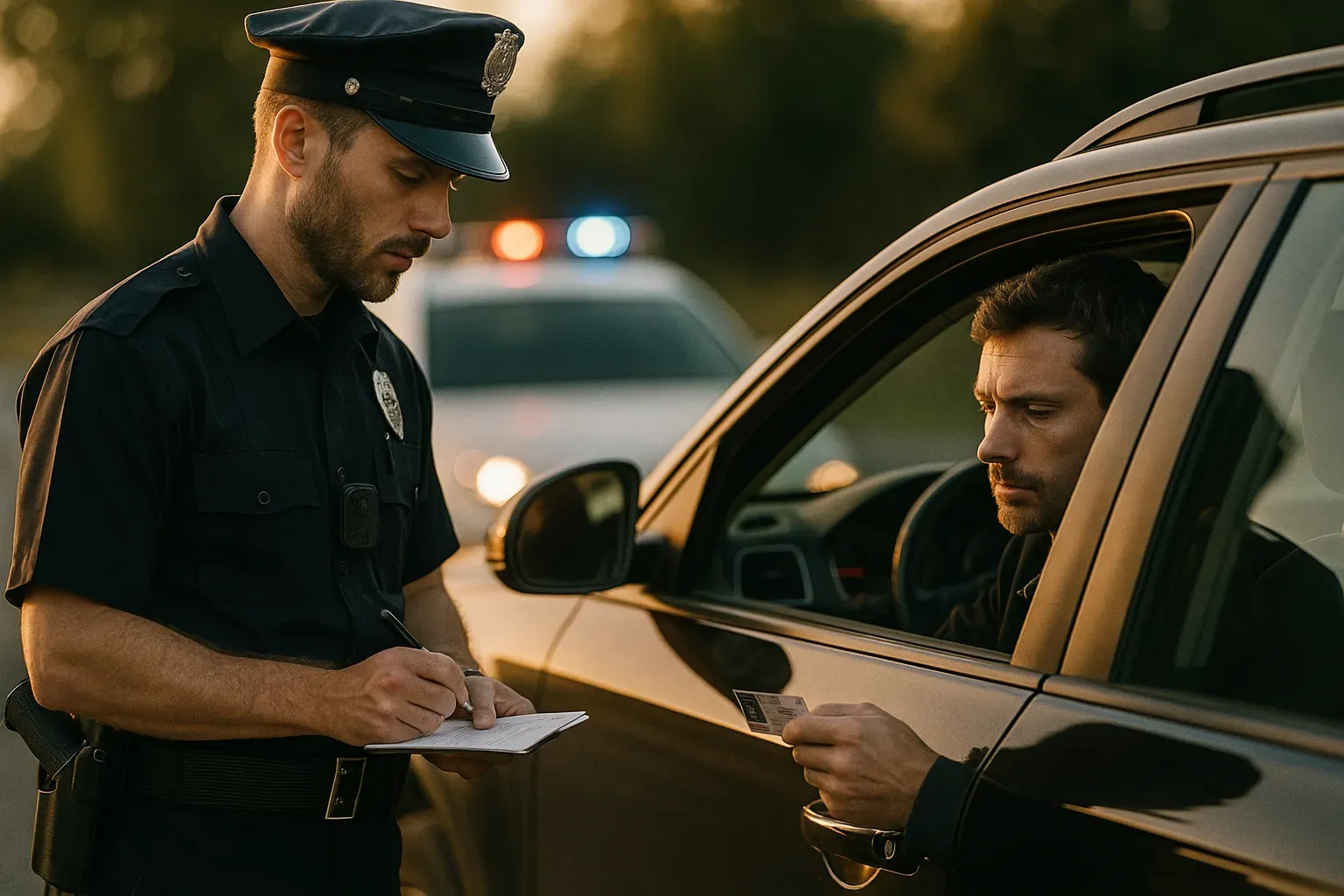
Greece’s revamped traffic laws slap heavier fines on speeders to boost road safety. Speeding over 50 km/h above the limit means a €700 fine and a 60-day license suspension. Keep speeding, and fines can soar to €8,000 with a four-year suspension.
Confirmed. Greece is cracking down on speed demons with a new traffic code rolling out in 2026. Fines are higher and license suspensions are longer. The aim? Fewer crashes, safer roads. But will it work?
Key Highlights:
- €2,000 fine and one-year suspension for speeds over 200 km/h.
- Repeat offenses within five years can hit €8,000 in fines.
- Traffic violations now handled online through gov.gr for quicker processing.
What Changes in the Traffic Code in 2026?
The 2026 shift in Greece’s traffic code throws the book at speeders. Break limits and get hit with big fines and extended suspensions, ramped up based on the offense’s severity. According to the Hellenic Institute of Transportation, speeding is a leading cause of accidents, and the new penalties aim to address this by imposing financial and practical deterrents.
Go 50 km/h over the limit, and it’s €700 plus a 60-day suspension. Hit 200 km/h, and you’re looking at a €2,000 fine and a year without driving. Part of a push to slash accidents nationwide, these measures align with European Union road safety targets aiming for a 50% reduction in fatalities by 2030. This ambitious goal underscores the urgent need for effective traffic regulations.
How Are Repeat Offenders Penalized?
Repeat speeders? The penalties skyrocket. A second 50 km/h offense lands a €1,000 fine and six months off the road. A third bumps it to €2,000 and a year-long suspension. These escalating fines are designed to discourage habitual offenders, who studies show are significantly more likely to be involved in severe road incidents.
Speed past 200 km/h again, and it’s €4,000 with two years off the wheel, climbing to €8,000 and four years for more repeat offenses. It’s about making reckless driving too costly to risk. The aim is to create a financial burden that outweighs the perceived benefits of speeding, thus altering driver behavior in the long term. The policy aligns with psychological principles of deterrence, which suggest that certainty, severity, and swiftness of punishment can effectively prevent criminal behavior.
How Are Traffic Violations Managed Digitally?
Greece modernizes its traffic foul-ups with digital handling in 2026. Gov.gr and the Driver Behavior Monitoring System cut out the need for traffic office visits. This transition to digital management not only streamlines processes but also reduces the potential for administrative errors and corruption, common issues in manual systems.
Appeal a ticket online, use Taxisnet to log in, all easing the bureaucratic load. A smart move for smoother, faster traffic law enforcement, this digital shift reflects a broader trend in Europe, where countries like Estonia have successfully implemented e-government solutions to enhance public service efficiency. These systems also allow for better data collection, which can be used to further refine traffic policies and enhance road safety.
What Impact Will These Changes Have on Road Safety?
The aim is clear: scare speeders into slowing down to prevent crashes. Heavier fines and drawn-out suspensions are the sticks. According to a study by the European Transport Safety Council, countries that have implemented similar stringent measures have seen a significant reduction in traffic-related fatalities and injuries.
If these new rules cut accidents, great. If not, Greece still shows it’s serious about road safety. Time will tell. But the increased penalties are just one part of a comprehensive strategy needed to enhance road safety, which should also include public awareness campaigns, improved road infrastructure, and better public transportation options to further reduce dependence on personal vehicles.
See Also:
What to Expect Moving Forward
As Greece enforces its new penalties in 2026, their success hinges on how drivers react. Will the steeper fines and online processes reshape driver habits? Initial responses from the public have been mixed, with some praising the measures while others express concern over their potential economic impact on lower-income drivers.
The effectiveness of these penalties will likely depend on their consistent enforcement and the public’s perception of their fairness and necessity. As such, the government may need to accompany these changes with educational campaigns to raise awareness about the dangers of speeding and the benefits of compliance with traffic laws.
What’s your verdict?