Firefighting Helicopter Crash During Utah Wildfire Efforts in 2026
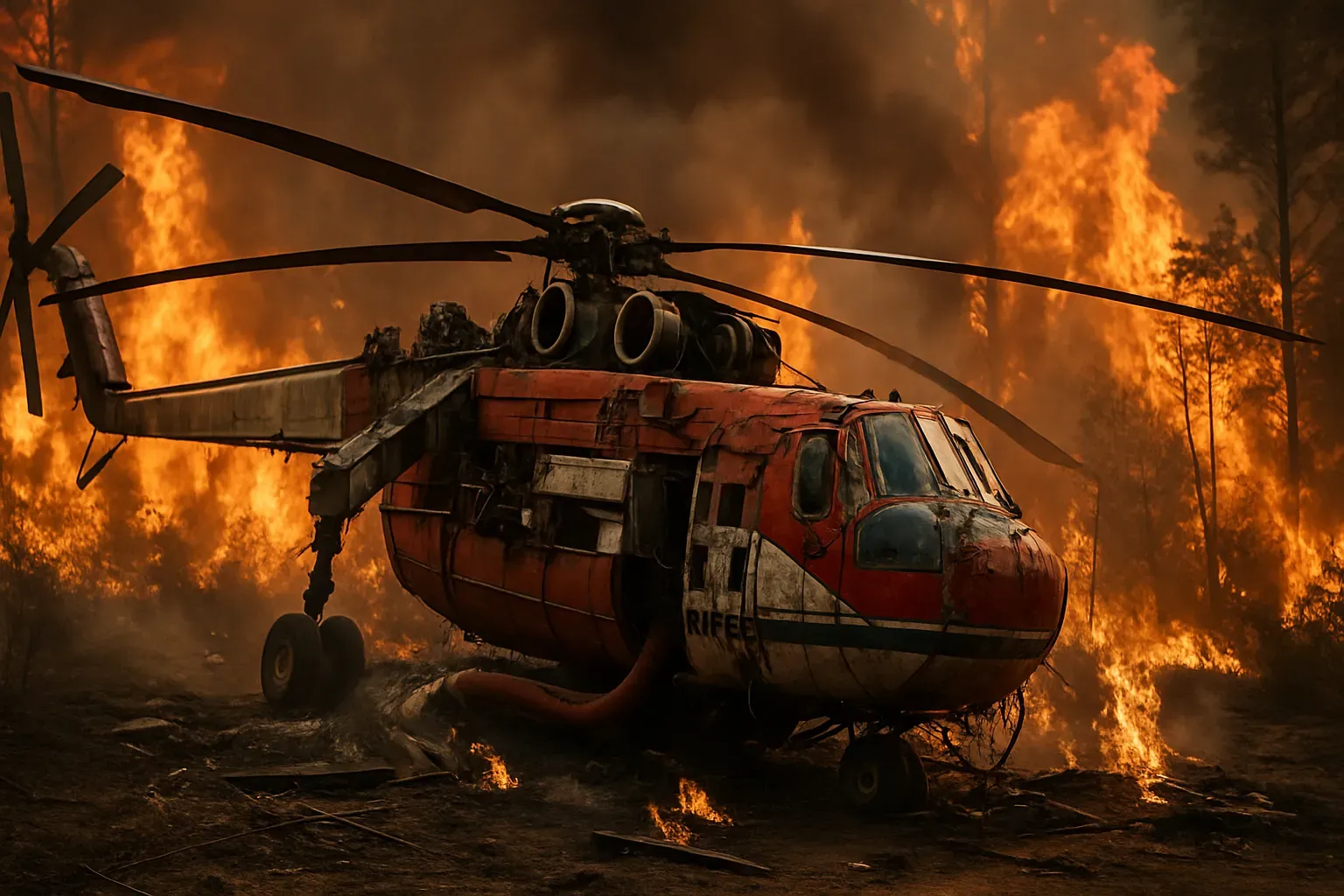
A Sikorsky S-64 helicopter went down while tackling a sprawling wildfire in central Utah. The crash involved two crew members and took place amidst efforts to contain a lightning-sparked blaze that has claimed around 425,000 acres. The cause is under investigation. Tough terrain and a new fire from the crash complicate access.
A Sikorsky S-64 helicopter plummeted during a crucial firefighting mission in Utah, spelling trouble for containment efforts. With rugged terrain obstructing access, bigger questions loom over aerial firefighting safety protocols. This drama underscores the risks first responders face amidst nature’s fury, as climate change continues to exacerbate wildfire conditions globally.
Key Highlights:
- The crash happened amid battles with a wildfire burning through 425,000 acres.
- About 632 personnel and seven helicopters are fighting this Utah blaze.
- FAA and NTSB are investigating the crash.
What Led to the Helicopter Crash?
The Sikorsky S-64 was near the fire line when it came down. The crash’s reasons are still under wraps, but both the FAA and NTSB are on the case. Lightning might have worsened the tough conditions, contributing to turbulent wind patterns that can affect helicopter stability.
The terrain blocks quick rescue efforts, delaying first responders’ access to the crash site. Investigators will check if the weather, mechanical issues, or pilot error played a role. Utah’s rugged landscape often complicates firefighting missions, with its steep inclines and dense forest cover making aerial support not just beneficial but necessary.
How Extensive is the Utah Wildfire?
A lightning strike on July 27 ignited the blaze, which has devoured roughly 425,000 acres. It’s part of a wider trend, driven by dry conditions and high temperatures, symptoms of the broader climate crisis affecting the western United States. Authorities have put 632 firefighters and seven helicopters into action, deploying strategies that include creating firebreaks and conducting controlled burns to manage the wildfire’s spread.
Work continues to control the fire’s spread, with help from various agencies, including the Bureau of Land Management and the Utah Division of Forestry. The damage to wildlife and habitats is severe, with further assessments to come. The fire has displaced numerous wildlife species, threatening biodiversity and ecosystem balance. Understanding this disaster’s scope is key for future prevention and responses, as it provides critical data to improve predictive models and firefighting tactics.
What Role Do Sikorsky S-64 Helicopters Play?
The Sikorsky S-64 is prized for firefighting because it can haul huge volumes of water, up to 2,650 gallons per load, thanks to its external tank. Its tough build lets it drop large water loads, crucial for tackling big wildfires, particularly in areas where ground crews struggle to reach. The helicopter is equipped with precision water-dropping capabilities that help target specific fire zones effectively.
But this crash points to the dangers in using such machines in extreme settings. It’s sparked talks on improving safety for aerial firefight teams, emphasizing the need for advanced training and enhanced equipment maintenance protocols. Despite its strengths, even the Sikorsky S-64 isn’t beyond the challenges of tough terrain and erratic wildfire behavior. These helicopters, while robust, require highly skilled pilots capable of making split-second decisions in rapidly changing conditions.
Challenges in Accessing the Crash Site
Reaching the crash site is no easy feat. Central Utah’s harsh terrain hampers rescue and recovery work. Officials are working hard to reach the two crew members, but the treacherous conditions are a massive roadblock. The combination of steep ridges, dense vegetation, and the active fire perimeter makes navigation both dangerous and time-consuming.
Firefighting and prevention efforts struggle due to the tough landscape, which limits ground reach. Such factors demand a rethink of future response strategies, incorporating more advanced technologies such as drones for site assessment and real-time data collection. This incident stresses the need for better planning and readiness for operations in remote areas, highlighting the potential role of satellite communications in coordinating complex rescue missions.
See Also:
The Final Verdict
The Sikorsky S-64 crash highlights the perilous nature of firefighting in harsh conditions. With investigations underway, the aviation sector and rescue services are closely watching the outcomes to boost future safety protocols. This tragedy also pushes for a reassessment of the methods used against increasingly frequent and intense wildfires, perhaps signaling a shift towards more autonomous firefighting technologies.
As climate change continues to intensify weather patterns, the frequency and scale of such disasters are expected to rise, necessitating a global response to enhance resilience and adaptation strategies. This incident serves as a stark reminder of the bravery of those who fight these fires, risking their lives to protect communities and natural resources.
What do you think?