Enes Kanter Freedom's Unlikely 2026 WNBA Draft Declaration
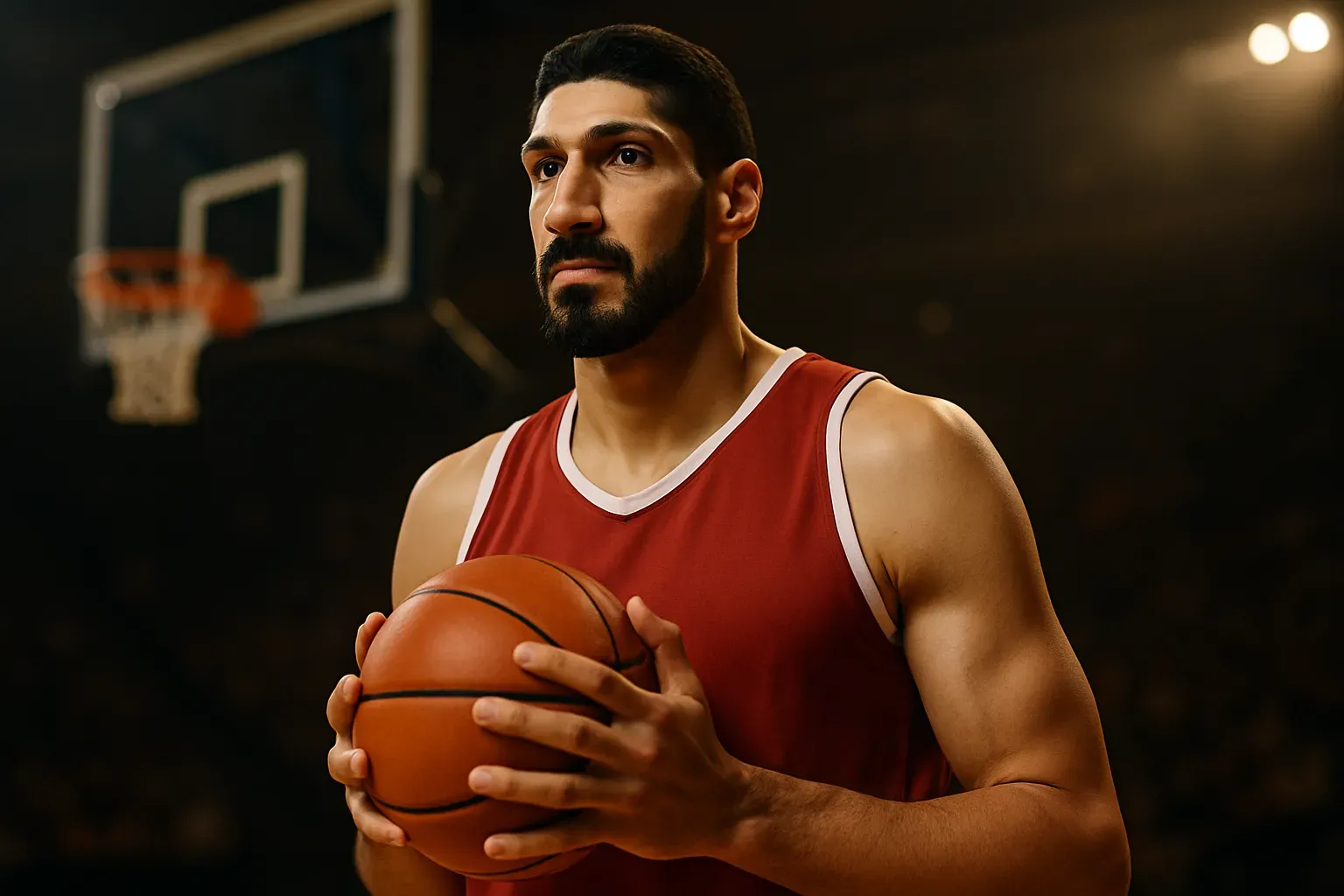
Enes Kanter Freedom, once an NBA player, is shaking things up by declaring for the 2027 WNBA Draft. This move puts the league’s inclusion policies to the test and stirs debate on fairness and gender identity in sports. Now the WNBA must decide how to adhere to its principles amid heated discussions on self-identification and eligibility.
Enes Kanter Freedom, no stranger to headlines, is at it again. This time, he’s set his sights on the 2027 WNBA Draft. Known for his loud political views and critique of the NBA’s connections with China, he’s now questioning the WNBA’s stance on gender identity, sparking a debate in sports circles.
Key Highlights:
- Freedom’s entry into the 2027 WNBA Draft questions league policies.
- Once an NBA first-rounder, he was cut by the Houston Rockets in 2022.
- Sophie Cunningham’s statements have fueled the gender identity debate in women’s sports.
- Freedom insists on consistent application of WNBA’s inclusion guidelines.
What Prompted Enes Kanter Freedom’s WNBA Move?
This move is both a declaration and a challenge. By eyeing the WNBA Draft, Freedom is questioning how the league handles gender identity and inclusion. His action is a response to ongoing debates in women’s sports, brought into the spotlight by players like Sophie Cunningham and WNBA coaches.
Being critical of both the NBA and political structures, Freedom wants to highlight what he sees as flaws in inclusion policies. He argues that if self-identification defines eligibility, it should be applied across the board. In his view, this makes him eligible for the WNBA.
The Reaction from the Sports Community
The reaction so far? Mixed. Some, like Outkick’s Riley Gaines, call his move a savvy critique. Others worry about the impact on women’s sports. Political figures like JD Vance have praised Cunningham for defending women’s sports, adding layers to the controversy.
Freedom’s move pressures the WNBA to clarify its policies. While athletes like Gabby Williams are for inclusion, Freedom’s action tests the league’s inclusivity claims and might reveal inconsistencies.
The Impact on WNBA’s Inclusion Policies
Freedom forces the WNBA to tackle its gender identity policies directly. Criticized for being vague on transgender athletes, the league must decide: reinforce its inclusion stance or adjust it for fairness in competition.
The league, known for its progressiveness, faces scrutiny. Freedom’s bold play might expose tensions in this framework. It’s a chance for the WNBA to lead on gender identity issues in sports across the nation.
Comparisons to Other Sports Controversies
Freedom’s move echoes past debates, like Lia Thomas’s switch to women’s swimming. Thomas’s transition at UPenn triggered talk on fairness and competition. Like Thomas, Freedom challenges conventional gender norms in sports.
The WNBA must weigh these issues. Other sports scenarios show a community divided over inclusion versus competition fairness. Freedom’s declaration is stirring that pot anew.
WNBA’s Move: What Comes Next?
Enes Kanter Freedom’s WNBA bid is a pivotal moment. The WNBA must decide: stick to progressive values or refine rules to protect the sport’s integrity. Freedom’s action demands a public stance on their policies.
The eyes of the sports world are watching. The WNBA’s choice could be a benchmark for others. Will they hold to their inclusivity or draw a line for competition integrity? This could shape the future of women’s sports and athletic inclusion.
The Final Verdict
Enes Kanter Freedom’s WNBA Draft declaration isn’t just news; it’s a challenge to the league’s core values. The WNBA must find a way through this complex issue, weighing inclusivity against fairness. Whatever happens, their decision will impact the gender identity debate in sports for years.
What’s your verdict? Will the WNBA uphold its policies?