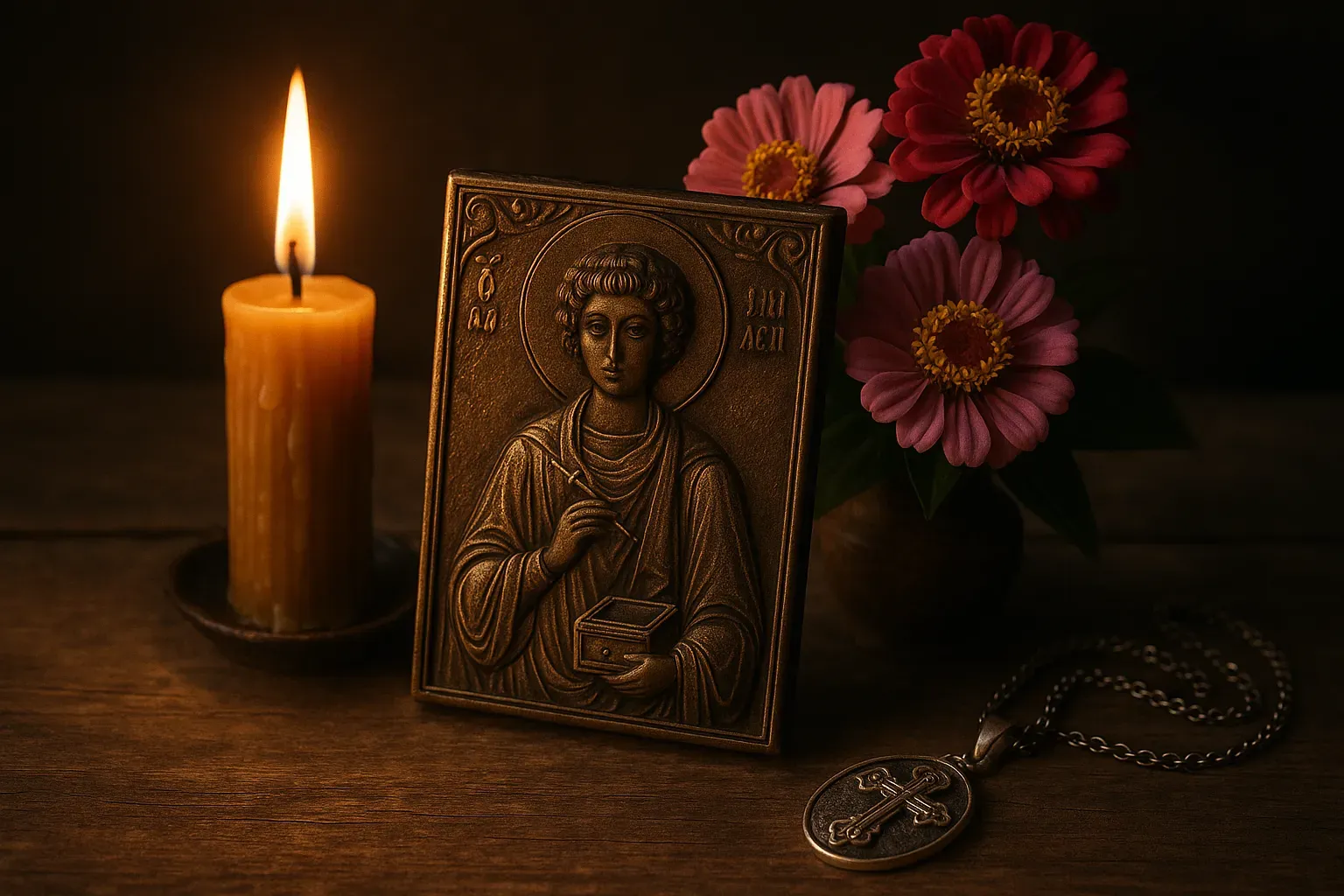
Celebrating Saints: August 2, 2026 Observances and Traditions
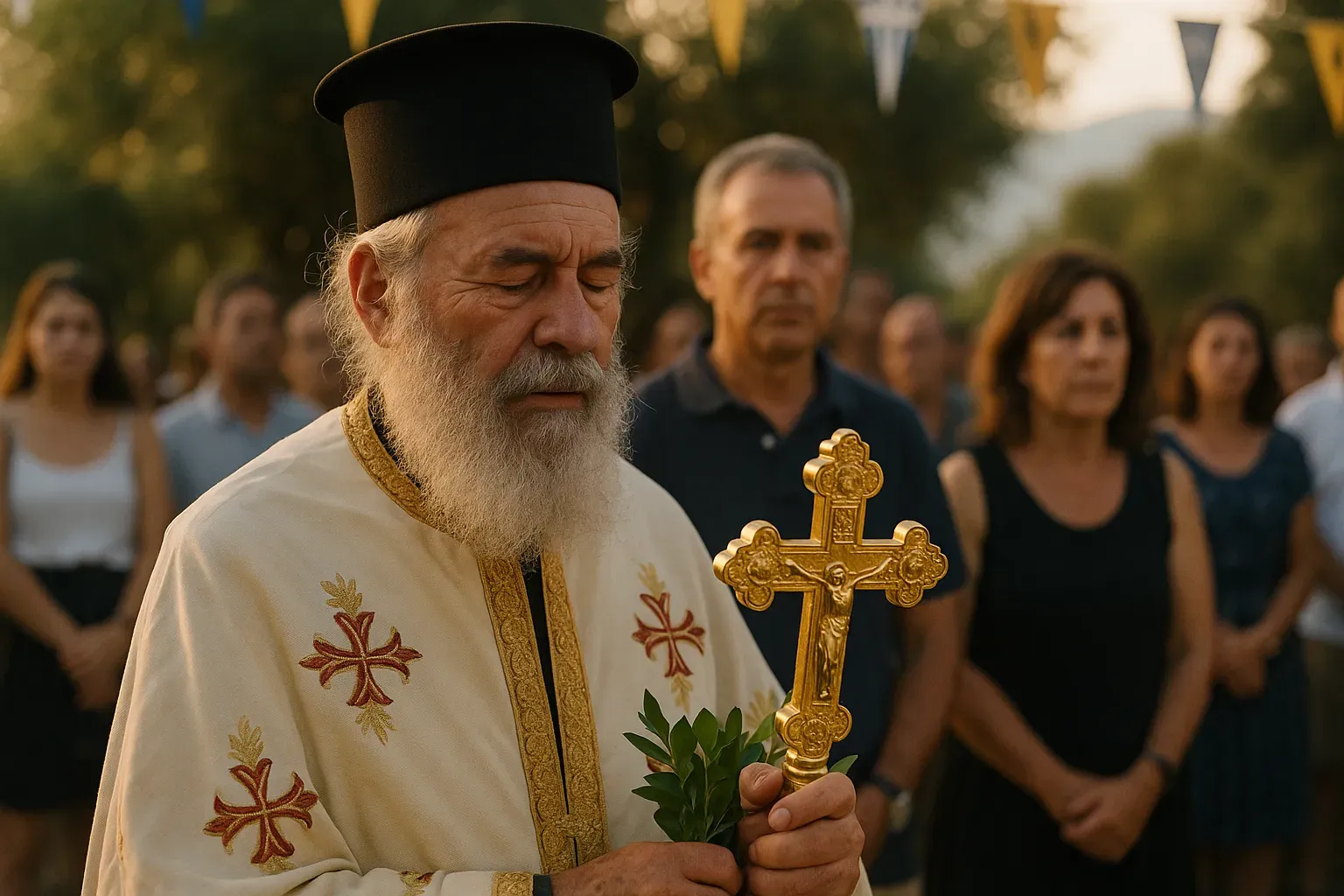
On August 2, 2026, the Orthodox Church commemorates Saint Justinian, a Byzantine Emperor, known for his impactful yet controversial reign. His contributions and legacy are celebrated through various traditions. The day also marks the memory of other saints whose lives inspire the faithful. These observances highlight the rich tapestry of Orthodox Christian history and heritage.
August 2 is no ordinary date for the Orthodox Church. It’s a day to honor Saint Justinian and others who left their mark on history. Justinian’s reign was turbulent, but his influence endures in ecclesiastical lore. This day reflects faith and resilience, expressing the vibrancy of Orthodox traditions.
Key Highlights:
- Saint Justinian is celebrated on August 2 in the Orthodox Church for his time as Byzantine Emperor.
- Justinian II, famously known as the Rīnótmitos (Slit-Nose), ruled from 685 to 695 AD.
- Observances include religious services and revisiting the legacies of the saints.
- Orthodox Christians worldwide celebrate numerous saints’ feast days annually.
Who Was Saint Justinian?
Saint Justinian, also Justinian II, stood out as a Byzantine emperor due to his stormy rule and major impacts on the empire’s setup. Despite controversies, his era was filled with both triumphs and setbacks, marked by bold military initiatives and internal overhauls. Justinian was a complex figure, embodying both the strengths and weaknesses of imperial authority.
The Orthodox Church pays tribute to him on August 2, acknowledging both his empire-building and his staunch faith. His life, complete with banishment and comeback, presents a vivid story of a ruler determined to enforce his vision, with mixed successes. His return to power after exile is a testament to his resilience and determination, which many find both inspiring and a cautionary tale about the dangers of unchecked ambition.
Why Is August 2 Significant in the Orthodox Calendar?
August 2 holds weight in the Orthodox calendar because of the remembrance of Saint Justinian and others. It underlines the ongoing tradition of celebrating those whose lives left an indelible mark on the faith. The observances on this day are not just about remembering historical figures; they are about connecting to a living tradition that informs present-day faith and practice. These observances tether today’s believers to their spiritual heritage, serving as a reminder of the enduring principles of faith that have been passed down through generations.
It goes beyond mere memory; it’s about celebrating the ideals and lessons these saints represent. The faithful gather in liturgies, echoing the loyalty of past followers, cherishing teachings handed down through ages. These gatherings often include the chanting of hymns, reading of scriptures, and reflections on the lives and contributions of the saints, offering a communal experience that strengthens the bonds within the Orthodox community.
How Is Saint Justinian’s Feast Day Celebrated?
Saint Justinian’s feast day involves religious ceremonies including prayers and hymns in his honor. The faithful engage in rituals that reflect his devotion and influence on the Church, focusing on themes of faith and perseverance. These rituals often include the lighting of candles, the burning of incense, and the recitation of specific prayers that honor the life and legacy of Justinian.
During services, stories of his life are recounted, highlighting both his strengths and weaknesses, offering moral and spiritual insights. The occasion becomes a chance to ponder leadership, resilience, and faith amid trials,timeless themes in Justinian’s story. some communities may organize lectures or discussions that delve deeper into his contributions to the Church and the Byzantine Empire, providing a broader context for his veneration.
The Legacy of Saint Justinian
Justinian’s legacy, despite the hurdles of his rule, includes notable military and administrative reforms. His efforts to uphold the empire’s might and unity stand out, as do his enduring contributions to architecture and culture. Notably, his reign saw the construction of significant architectural works, including the rebuilding of the Hagia Sophia, which remains one of the most enduring symbols of Byzantine architectural achievement.
His tale, painted by ambition and trials, teaches about the effects of power dynamics within the empire. Justinian’s bids to regain power after exile reflect his unwavering spirit, capturing the interest of historians and the faithful alike. His reign is often studied for its complex interactions between church and state, offering lessons on the interplay of faith and governance. His legal reforms, encapsulated in the Corpus Juris Civilis, continue to influence legal systems around the world today.
Are There Other Saints Commemorated on August 2?
Yes, along with Saint Justinian, the Orthodox Church remembers other saints on August 2. These include lesser-known yet equally vital figures who’ve enriched the faith’s vibrant history. The day turns into a shared celebration of lives devoted to spirituality and service. Among these are local saints whose devotion and piety offer diverse models of holiness, reflecting the universality of the Church’s call to sanctity.
Honoring multiple saints on this date showcases the Church’s practice of recognizing varied paths to holiness, offering many virtues and teachings for the faithful to follow in their spiritual quests. This variety enriches the tapestry of Orthodox spirituality, providing inspiration and guidance for believers from all walks of life, reminding them of the many ways one can live out their faith.
See Also:
- Honoring Saints on July 27, 2026: A Look Back
- Commemorating Saint Mary Magdalene and Saint Markella in 2026
Is It Worth It?
Celebrating August 2 for Saint Justinian and other saints offers a chance for deep reflection and a tie to Orthodox heritage. These observances highlight resilience and devotion, enriching faith with historical and spiritual stories. Engaging with these customs can deepen one’s grasp of the Church’s historical path. The continuity of these celebrations serves as a bridge between past and present, offering a sense of identity and belonging within the global Orthodox community.
Will you celebrate this special day?