A Week of Agricultural Payments: What to Expect in 2026
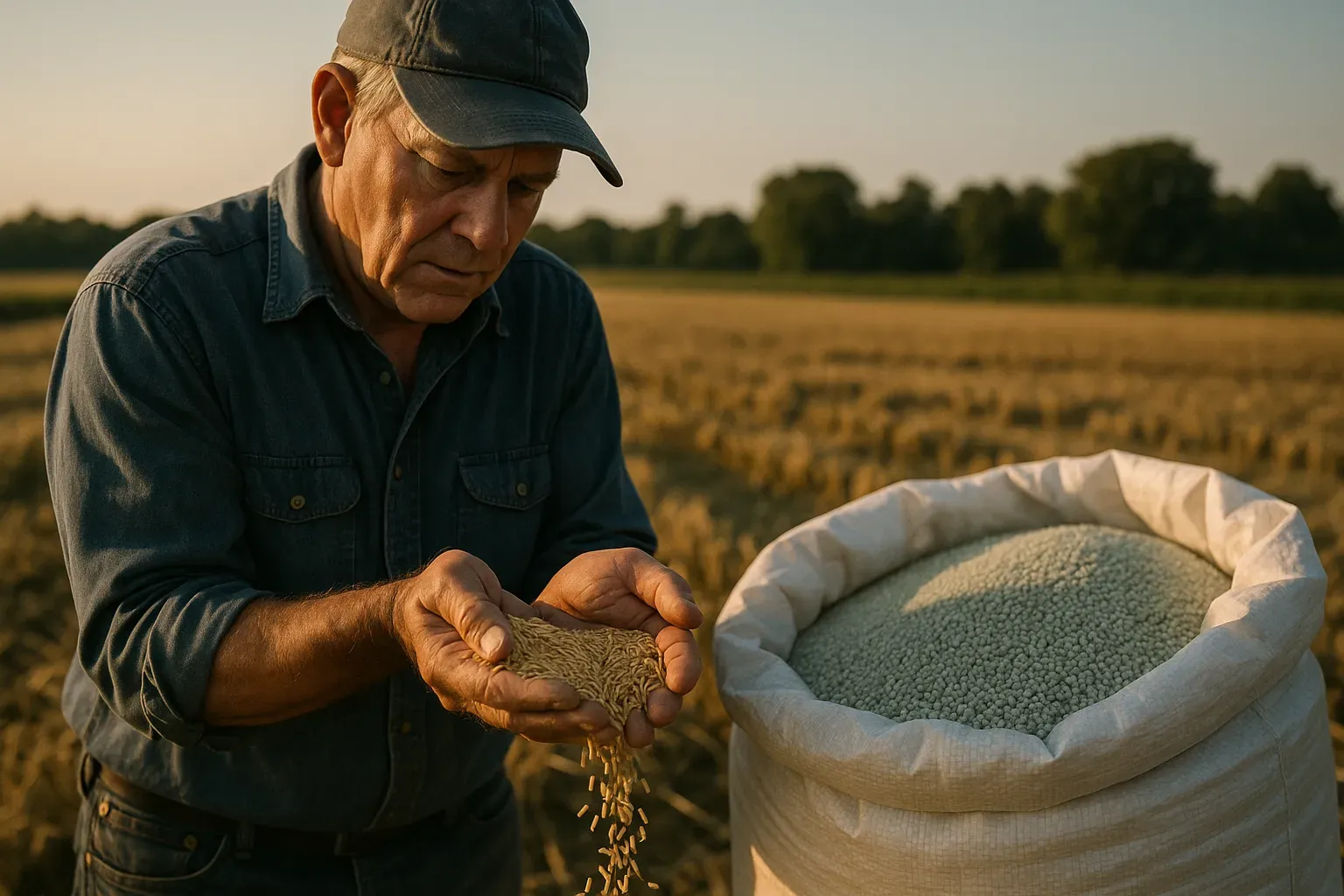
Within the week, €42 million will be handed out to 158,810 Greek farmers. These payouts relate to the 2024 application period. Soon, the correction system for 2025 will open, letting farmers fix administrative errors. Getting this right is essential to solve past monitoring problems.
€42 million. That’s what Greek farmers are set to see next week. This isn’t only about settling old debts. It’s about setting the tone for future payouts. As the Ministry of Agricultural Development prepares, eyes are on the sector. Will this financial injection actually help struggling farmers, or is it just a formality? The answer will unfold soon.
Snapshot:
- €42 million to be sent to 158,810 farmers by July’s end in 2026.
- Correction system for 2025 to allow fixing of past errors.
- Delayed payments for fertilizers and rice, with first payments due by August 10.
What Payments Are Due Next Week?
About €42 million is set to reach 158,810 producers. This cash flow addresses pending claims from the 2024 applications, covering disaster relief, ecological funding, and young farmer support.
The aim is simple: ensure the farmers get the money they’ve been waiting for, smoothing out the sector’s cash flow and fixing last year’s leftover issues.
Disaster relief payments are crucial in a country like Greece, where extreme weather events, such as floods and droughts, have become more frequent. The ecological funding aims to support sustainable farming practices, encouraging farmers to maintain biodiversity and reduce carbon footprints. Young farmers, often the future of agriculture, receive financial backing to establish and expand their farms, ensuring the sector remains vibrant and innovative.
How Will the Correction System Impact 2025 Applications?
Soon, the 2025 correction system kicks in. It’s a breath of fresh air for farmers needing to fix past administrative hiccups.
This tool lets them tweak submissions, add documents, and rectify past errors, aiming to prevent the kind of payment schedule chaos we’ve seen before.
The correction system is not just a bureaucratic tool; it signifies a move towards greater transparency and efficiency. By allowing farmers to correct their applications, the Ministry acknowledges the complexities of agricultural paperwork. Past errors often stem from confusing guidelines and misinterpretations, which this system seeks to mitigate. accurate applications ensure that funds are directed appropriately, enhancing the overall effectiveness of agricultural subsidies.
Why Are Some Payments Delayed?
Payment delays come from extended deadlines and slow bureaucracy. Notably, the fertilizer receipt extensions have pushed payments to at least August 10.
The Ministry promises that farmers will get their due. Yet, the necessary adjustments mean money won’t flow immediately. Farmers should keep track of their application’s progress.
Delays in payments are a common issue in agricultural subsidies, often due to the complex nature of verifying claims and ensuring compliance with EU regulations. The extension of fertilizer receipt deadlines aims to give farmers more time to comply with documentation requirements, reflecting a balance between regulatory oversight and practical farming needs. But these delays can strain farmers’ cash flows, especially during critical planting and harvesting seasons.
What Challenges Do Monitoring Systems Face?
Monitoring systems fail to clearly identify crops, often misclassifying them,mixing up lentils with beans, for example, affecting subsidy allocations.
This misclassification has cost farmers subsidies. Correctly addressing these flaws is critical to make sure benefits reach the right hands. As technology advances, monitoring improvements are expected.
The reliance on satellite imagery and remote sensing technology in monitoring agricultural activities has revolutionized the sector but is not without challenges. Misclassification issues highlight the need for more sophisticated algorithms and better-trained personnel to interpret data correctly. as precision agriculture becomes more prevalent, integrating new technologies with existing systems will be key in overcoming these monitoring challenges. Ensuring that the right crops are identified and classified can significantly affect the financial well-being of farmers who rely on accurate subsidy distributions.
See Also:
- Pagamentos Agrícolas e Apoios: O Que Esperar em 2026
- Ship Collision at Souda Harbor: Details and Aftershock (2026)
What to Expect?
These payments are a pivotal move toward Greek farmers’ financial stability. But the real question? Will they resolve underlying agricultural issues or merely offer short-term relief? As €42 million goes out, hopes are high, but we’ll see the real impact soon enough.
Beyond the immediate disbursement of funds, the success of these payments will hinge on their ability to stimulate the agricultural sector sustainably. Addressing systemic challenges, such as improving crop monitoring systems and timely payment processing, will be crucial in ensuring long-term stability. fostering a climate of innovation and investment in agriculture can transform these payments from mere stopgaps into catalysts for enduring growth. The effectiveness of this approach will be closely observed by stakeholders within and beyond Greece, as it may set a precedent for agricultural subsidy models in the future.
What’s your verdict?